

In hospitality, a paycheck covers the basics, but recognition is what keeps people engaged. When employees feel seen and appreciated, they show up with more commitment, energy, and pride in their work. Research from Gallup highlights just how critical recognition really is. Employees who do not feel adequately recognized are twice as likely to say they will leave their job within the next year. In an industry already battling high turnover, that makes consistent, meaningful recognition one of the simplest levers leaders can pull to protect their teams and their culture. The challenge for most operators is not understanding why recognition matters, but finding realistic ways to do it consistently without adding complexity.
The good news is that effective recognition does not have to be expensive or complicated. Strong recognition cultures are closely tied to higher retention, better morale, and more stable teams, making them a practical operational strategy, not just a feel-good initiative.
In this guide, we share 10 employee recognition program ideas built specifically for restaurants and hospitality teams. Each idea is designed to be actionable, scalable, and easy to implement, helping you build a culture where great work is noticed and people want to stay.
1. Peer-to-Peer Recognition Program
A peer-to-peer recognition program is a powerful, grassroots system where team members nominate and recognize their colleagues for exceptional contributions, positive behaviors, or significant achievements. Instead of relying solely on top-down praise from management, this approach empowers every employee to become a source of positive reinforcement, fostering a genuine culture of appreciation from within.
How to Implement It
-
Keep the Criteria Simple and Visible
Define a short list of behaviors worth recognizing and connect them directly to how your operation runs. Think practical and observable actions like Helping During a Rush, Great Guest Recovery, or Outstanding Team Support. If people have to think too hard about whether something qualifies, participation will drop. -
Make Recognition Fast (Under One Minute)
Peer recognition should never feel like homework. Use the simplest format possible: a quick handwritten note dropped into a box, a message shared in the team WhatsApp group, or a short mention to a manager before or after a shift. If it takes more than a minute, it will not stick. -
Use Moments You Already Have
Do not add extra meetings. Share recognitions during pre-shift huddles, end-of-week wrap-ups, or quick manager check-ins. Public acknowledgment in front of the team, even if brief, is often more powerful than any formal reward. -
Managers Reinforce, Not Control
Managers should encourage participation by modeling the behavior, not policing it. When leaders acknowledge peer shout-outs and reinforce why the action mattered, it signals that recognition is part of the culture, not a forced program. -
Refresh It Periodically
To avoid fatigue, rotate simple monthly themes such as Best Team Player, Problem-Solver of the Month, or Above-and-Beyond Moment. This keeps recognition relevant without adding complexity.
2. Skills-Based Certification Recognition Program
A skills-based certification recognition program formally rewards employees for acquiring new competencies and mastering specific hospitality disciplines. This structured approach goes beyond acknowledging daily performance by celebrating an individual’s commitment to professional growth, such as completing certifications in management, culinary arts, service excellence, or leadership.
This method directly links employee development to operational excellence. When a team member earns a ServSafe certification or completes a course on advanced kitchen operations, the entire organization benefits from their enhanced knowledge and skills. It creates a clear pathway for advancement, showing staff that investing in their own education leads to tangible career opportunities and recognition within the company. This is one of the most effective employee recognition program ideas for building a highly skilled, motivated, and loyal workforce.
How to Implement It
- Identify Key Certifications: Determine which skills and certifications provide the most value to your operation. Focus on areas like food safety, responsible alcohol service, leadership development, or specialized culinary techniques.
- Create a Tiered Reward System: Link specific, tangible rewards to certification milestones. For example, completing a foundational course might earn a small bonus or a preferred shift, while advanced leadership certification could unlock eligibility for a promotion or a significant pay increase.
- Promote and Publicize Achievements: Celebrate every certification loudly. Announce completions during team meetings, and create a “Wall of Fame” in a common area. Public acknowledgment validates the employee’s hard work and inspires others.
- Leverage Certified Experts: Empower newly certified staff by creating internal mentorship roles. Designate them as “Certified Experts” or “Team Trainers” who can help guide and mentor colleagues pursuing the same certifications.
3. Manager-Led Recognition Rituals and Ceremonies
Manager-led recognition rituals are structured, consistent moments where leaders publicly acknowledge and celebrate team members. Unlike spontaneous praise, these ceremonies are embedded into the regular cadence of operations, such as daily pre-shift huddles, weekly team meetings, or monthly all-hands gatherings. This approach transforms recognition from a rare event into a predictable and deeply integrated part of your company culture.
This model is exceptionally effective for building a top-down culture of appreciation. When managers consistently and thoughtfully deliver recognition, they model the exact behaviors they want to see from their team. Managers can share specific examples of how an employee’s actions directly impacted a guest, supported a teammate, or improved an operational process, making the praise meaningful and educational for the entire team.
How to Implement It
- Integrate Into Existing Meetings: Do not create a new meeting for recognition. Instead, make it a dedicated agenda item in your existing huddles or weekly syncs. Dedicate the first five minutes to celebrating one or two team members.
- Train Your Managers: Effective recognition is a skill. Use coaching sessions to train managers on how to deliver praise that is specific, sincere, and tied to company values. Develop a simple template: Name + Specific Action + Impact + Company Value.
- Create a Storytelling Culture: Encourage managers to go beyond just stating what happened. They should tell the story behind the action. For example, instead of “Thanks to Sarah for cleaning the spill,” try “I want to recognize Sarah. During our busiest moment last night, she noticed a drink spill near the kitchen entrance, immediately stopped what she was doing to clean it, and prevented a serious safety hazard. That’s a perfect example of our ‘Safety First’ value in action.”
- Promote Fairness and Inclusivity: Keep a simple tracker to ensure you are recognizing a diverse range of employees across different roles and shifts over time. This prevents the perception of favoritism and ensures everyone feels seen.
- Document and Amplify: Capture these recognition stories. Share the best ones in a company-wide newsletter or a dedicated digital channel. This not only gives the recognized employee broader visibility but also reinforces desired behaviors for the entire organization.
4. Community-Based Recognition Across MAJC✨ Network
A community-based recognition program takes employee appreciation beyond the walls of a single restaurant and places it within a broader professional network. Instead of recognition living only inside one team, this model encourages operators and managers to share and highlight great work within the MAJC community, turning individual wins into shared learning moments.
MAJC is a professional community built for hospitality leaders to exchange ideas, learn from real-world experiences, and grow together. Using the community as a space for recognition helps connect operators facing similar challenges across different cities and concepts, reinforcing shared standards and a sense of belonging within the industry.
This type of recognition is not about awards or rankings. It is about peer visibility and validation. When leaders openly recognize strong team practices, creative solutions, or leadership moments from their operation, it creates practical examples others can learn from and apply in their own businesses.
How to Implement It
-
Use Existing Community Spaces
Leverage platforms your team already uses. Encourage members to share recognition posts within the MAJC community feed, highlighting standout employees, teams, or initiatives from their operation. A simple post with context and a photo is often more powerful than a formal nomination process. -
Focus on Stories, Not Scores
Recognition works best when it explains why something mattered. Ask contributors to briefly describe the challenge, the action taken, and the impact it had. This turns recognition into practical insight that others can learn from and apply. -
Highlight a Range of Contributions
Encourage recognition beyond revenue or volume. Celebrate mentorship, process improvements, team resilience, creative problem-solving, or culture-building efforts. This keeps recognition inclusive and relevant across different roles and restaurant types. -
Make It Ongoing, Not Formal
Rather than a fixed award cycle, treat community-based recognition as a continuous habit. Regular visibility keeps momentum high and avoids the pressure of managing a formal program before the infrastructure exists.
5. Gamified Recognition and Leaderboard System
A gamified recognition system turns everyday tasks and achievements into a motivational game. This approach uses points, badges, and leaderboards to reward employees for specific behaviors, completed training modules, or key performance milestones. Instead of relying solely on discretionary praise, it creates a structured and engaging framework where team members can see their progress, compete in a friendly manner, and work toward tangible goals.
This method is especially effective for energizing teams around specific business objectives, like upselling a seasonal menu item or improving guest satisfaction scores. A public leaderboard can tap into the natural human desire for achievement and social recognition, encouraging consistent high performance. For example, a bartender who earns a “Master Mixologist” badge for creating a popular new cocktail or a server who tops the leaderboard for positive guest mentions feels a strong sense of accomplishment and pride. This system makes recognition a continuous and interactive process rather than a sporadic event.
How to Implement It
- Define Key Behaviors and Milestones: Identify the actions you want to encourage. These could range from completing safety training and earning certifications to achieving sales targets or receiving positive online reviews. Assign different point values based on the impact of each action.
- Choose a Platform (or Go Low-Tech): Create a manual tracking system using a shared spreadsheet or a physical whiteboard in the breakroom. The key is to ensure the leaderboard is highly visible and easy for everyone to follow.
- Create Compelling Rewards: Decide what points can be redeemed for. Options can include gift cards, company merchandise, an extra day of paid time off, or funds for professional development courses. Ensure the rewards are both desirable and attainable.
- Launch with Team and Individual Challenges: Kick off the program with a mix of competitions. Create a team-based challenge, like “best collective table turn time for the week,” alongside individual goals. This fosters both collaboration and personal accountability.
- Maintain and Refresh the Program: Keep the system exciting by introducing new challenges, badges, or limited-time “bonus point” opportunities. Regularly celebrate top performers in pre-shift meetings or company-wide communications to maintain momentum and ensure the program stays top-of-mind.
6. Financial Incentive and Bonus Recognition Program
A financial incentive and bonus program directly rewards employees with cash, bonuses, or pay increases for achieving specific, measurable performance goals. Rather than relying on subjective praise, this model ties tangible financial outcomes to key business objectives, such as hitting sales targets, maintaining high guest satisfaction scores, or achieving zero safety incidents over a quarter.
In the hospitality industry, where margins are tight and performance directly impacts profitability, this type of employee recognition program idea is highly effective. It clearly communicates what success looks like and gives team members a direct stake in the restaurant’s performance. For example, a bonus structure tied to positive online reviews motivates the entire team, from the host to the line cook, to contribute to an exceptional guest experience. This approach drives accountability and fosters a results-oriented mindset.
How to Implement It
- Define Clear, Measurable Metrics: Tie incentives to specific key performance indicators (KPIs) that matter to your business. Examples include food cost percentages, ticket times, upselling specific menu items, or team retention rates.
- Keep It Simple and Transparent: The bonus calculation should be easy for everyone to understand. A complex formula can create confusion and distrust. Communicate the structure clearly during onboarding and reinforce it in team meetings.
- Balance Individual and Team Goals: Reward both personal achievements and collective success. An individual bonus for the server with the highest sales should be complemented by a team-wide bonus for hitting a monthly revenue target. This encourages collaboration over competition.
- Promote Visibility and Progress: Use a dashboard or a dedicated channel in your team communication platform to show progress toward goals. Regular updates during pre-shift huddles keep the incentives top-of-mind and motivate the team.
- Ensure Goals Are Achievable: Set targets that are challenging but realistic. If employees feel the goals are impossible to reach, the program will demotivate rather than inspire. Solicit feedback from your team when setting new targets.
7. Public Recognition and Social Media Spotlight Program
This approach celebrates team members through public channels like Instagram, Facebook, your company website, or even local press mentions. By featuring employees with their stories and accomplishments, you elevate their status and foster a profound sense of pride and belonging.
This method transforms recognition into a powerful tool for employer branding and community engagement. When a line cook’s dedication or a server’s glowing guest review is shared publicly, the praise resonates not only with the employee but also with their family, friends, and the wider community.
How to Implement It
- Get Explicit Permission: Always get written consent from an employee before featuring their photo, name, or story publicly. Explain exactly where and how their information will be used to ensure they are comfortable with the process.
- Create a Simple Template: Develop a consistent and reproducible format for spotlights. A great starting point is a high-quality photo paired with a brief narrative of three to four sentences covering their role, a recent achievement, and a personal quote.
- Focus on Authentic Stories: Go beyond just listing job duties or accolades. Share genuine stories that reveal personality. Highlight a team member’s passion for a particular dish, their career aspirations, or how they embody a core company value in their daily work.
- Cross-Promote Widely: Maximize the impact of each spotlight by sharing it across multiple platforms. Post it on your primary social media channels, feature it on your website’s “Team” page, and display it on digital screens in-house.
- Encourage Engagement: Invite customers and other team members to celebrate the featured employee. Ask questions in your social media captions to prompt comments, likes, and shares, which amplifies the recognition and shows the team member how much they are valued.
8. Leadership Development and Advancement Recognition Program
A leadership development and advancement program formally recognizes employees who are growing into leadership roles, creating a transparent and motivating career pathway within your organization. Instead of leaving promotions to chance, this system celebrates the acquisition of new skills, mentorship of others, and readiness for greater responsibility. It systematically identifies and cultivates future leaders, ensuring your talent pipeline is always full.
This program is essential for retaining top-tier talent in the competitive hospitality industry. When a dedicated server completes a manager certification, a line cook masters every station, or a host takes the initiative to lead a training session, this program provides the framework to acknowledge and reward that ambition. It shows your team that growth is not just possible but is a celebrated part of your culture.
How to Implement It
- Define Clear Advancement Tiers: Create a transparent career ladder with specific, measurable criteria for each level. Outline the skills, certifications, performance reviews, and mentorship activities required to advance from one role to the next.
- Assign Stretch Projects: Identify high-potential employees and assign them “stretch” projects that build capability before a formal promotion. This could involve leading a food cost reduction initiative, organizing a team event, or developing a new training guide.
- Celebrate Promotions Publicly: Make a significant event out of internal promotions. Share the employee’s journey and accomplishments in company-wide communications. Public recognition validates their hard work and inspires others.
- Invest in Manager Training: Equip your current managers to be effective mentors and developers of talent. Their ability to coach and guide aspiring leaders is the engine of a successful program. For more on this, explore these powerful restaurant leadership development strategies.
- Create Peer Learning Groups: Establish cohorts for aspiring leaders to develop together. This fosters peer-to-peer mentorship, shared learning, and a strong support network as they navigate new challenges and prepare for management responsibilities.
9. Values-Based and Cultural Recognition Program
A values-based recognition program shifts the focus from purely performance-based metrics to celebrating employees who embody the core principles and desired behaviors of your company culture. Rather than rewarding only sales numbers or speed of service, this system recognizes team members for demonstrating integrity, exceptional teamwork, innovation, or a deep-seated commitment to guest satisfaction. It reinforces what the organization stands for, creating cultural coherence that attracts and retains talent aligned with your mission.
In the hospitality world, this means celebrating the server who chooses honesty over convenience when correcting a bill, the chef who mentors a new prep cook with patience, or the host who creates a moment of genuine connection with a waiting family. It’s about recognizing the how and the why behind an employee’s actions, not just the outcome.
How to Implement It
- Define and Simplify Your Values: Solidify three to five core values that are clear, memorable, and actionable. Get universal buy-in from leadership, ensuring everyone can articulate what each value looks like in practice on the restaurant floor.
- Train Leaders to See Values in Action: Coach managers to spot and acknowledge behaviors that align with your values, not just results. For example, instead of just praising a fast table turn, recognize the “Efficient Teamwork” that made it happen.
- Share Recognition Stories Widely: Publicize stories of values-driven actions. Try starting pre-shift meetings by sharing a recent example; the story is often more powerful than the reward itself.
- Integrate Values into the Employee Lifecycle: Weave your values into job descriptions, interview questions, and onboarding materials. New hires should understand what your culture prizes from day one. To learn more, explore these insights on how to build a high-performing restaurant team culture that lasts.
- Create Visual Reminders: Keep your values top-of-mind with posters in the back-of-house, screen savers on POS systems, or as part of team meeting agendas. Consistent visibility reinforces their importance.
10. Experiential and Professional Development Recognition
Experiential and professional development recognition shifts the focus from monetary rewards to invaluable opportunities for growth. Instead of a cash bonus, top performers are rewarded with conference attendance, advanced certifications, or mentorship with industry leaders. This approach positions recognition as a direct investment in an employee’s future, showing that the company values their long-term potential just as much as their past performance.
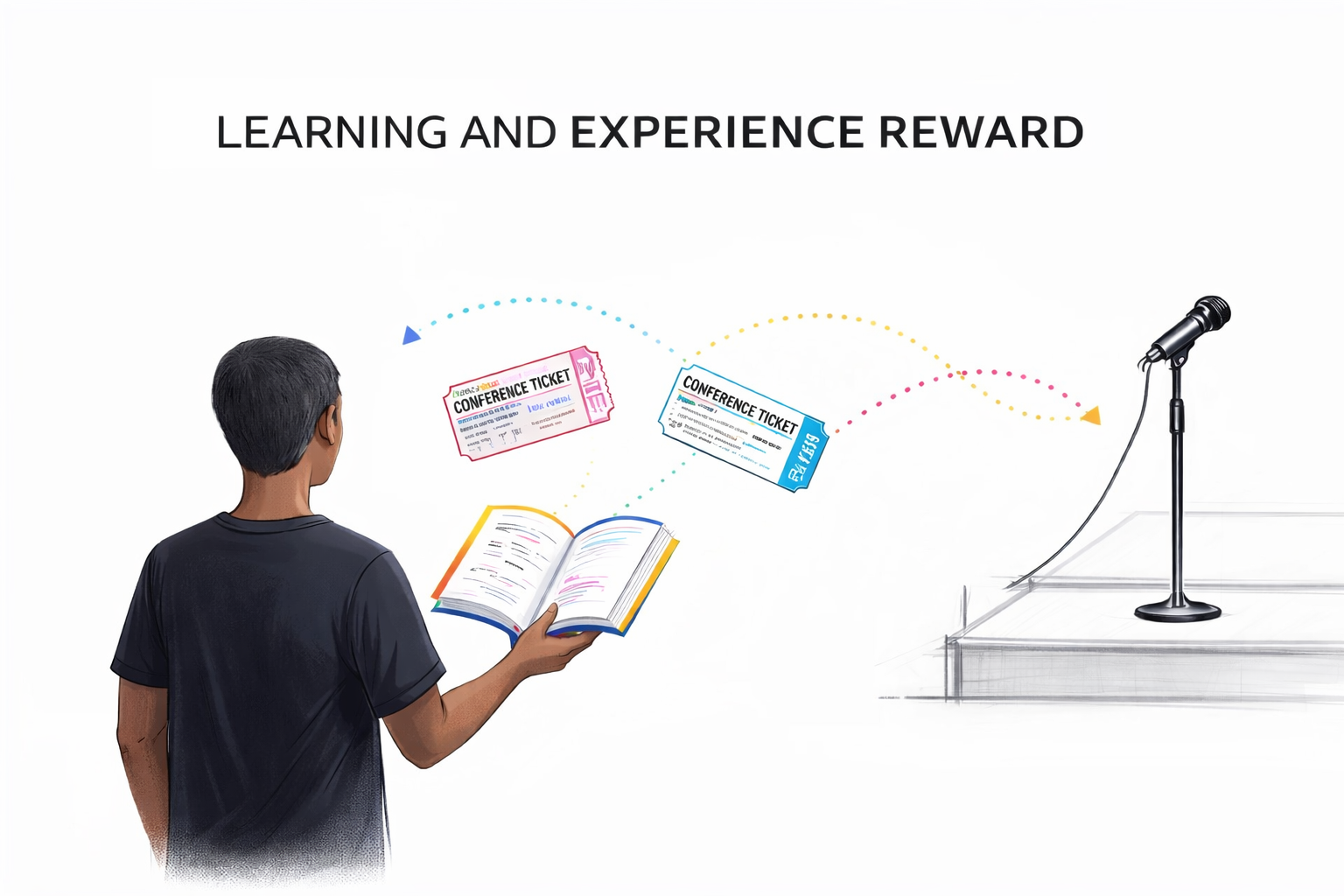
This method is highly effective for ambitious team members who are motivated by career advancement and skill-building. Offering to send a rising star sous chef to a culinary leadership workshop or a promising manager to a national restaurant conference not only rewards them but also brings new skills and ideas back into your operation. It creates a powerful cycle of development and retention, signaling to your entire team that high performance opens doors to meaningful professional growth.
How to Implement It
- Connect to Career Goals: During performance reviews or one-on-ones, discuss employees’ career aspirations. Tie recognition opportunities directly to these goals to make the reward personal and impactful.
- Curate a Menu of Opportunities: Create a list of potential rewards, such as tickets to a major industry conference, enrollment in a sommelier certification course, or a travel stipend to visit and learn from a top-tier restaurant in another city. For employees who value unique, memorable moments, consider offering engaging experience day vouchers for things like cooking classes or tours.
- Be Transparent with Criteria: Clearly define how employees can earn these opportunities. The selection criteria should be objective and linked to specific performance metrics, goals, or core value demonstrations to ensure fairness.
- Require a “Share-Back”: To maximize the investment, require the recognized employee to share their learnings with the broader team. This could be a presentation during a manager meeting, a write-up for the company newsletter, or leading a training session on a new technique they learned.
- Leverage Your Network: Use your professional network, including communities like MAJC, to create unique mentorship matches with external leaders. This provides an invaluable experience that costs little more than time and coordination.
From Ideas to Action: Turning Recognition Into Culture
The difference between reading about employee recognition program ideas and seeing real impact comes down to action. You do not need to launch everything at once. The goal is momentum, not perfection.
Start small. Choose one idea from this list that fits your team’s reality right now and commit to testing it consistently. A simple peer shout-out, a manager-led recognition moment, or a visible celebration of great work can begin shifting culture faster than a complex rollout ever will.
As you go, pay attention to results. You do not need complex systems, but you do need signals. Notice participation, engagement, and changes in morale or turnover. What gets repeated is what works, and recognition should evolve based on what your team actually responds to.
At its core, building a culture of recognition is an investment in people. When employees feel seen and appreciated, engagement rises, turnover falls, and service quality improves. Over time, that culture becomes part of your brand, one your team is proud to represent, and your guests can feel the moment they walk in the door.
Ready to build a recognition program that attracts and retains top talent? MAJC✨ provides the expert coaching, peer community, and resource library you need to turn these ideas into a sustainable system for your hospitality business. Explore MAJC to see how our operator-focused platform can help you build the culture you’ve always envisioned.