

In the fast-paced world of hospitality, strong teams don’t just happen, you build them. And the best Culinary Team-Building Activities do more than break the ice; they use the kitchen itself as a high-energy training ground. When teams cook together, they practice communication, delegation, problem-solving, and time management in a hands-on setting that mirrors a real service.
Team bonding isn’t just fun, it’s directly tied to better retention and smoother operations. Culinary challenges create a low-stakes environment where front-of-house and back-of-house employees connect, collaborate, and learn to trust each other under pressure.
This guide highlights 10 practical culinary team-building activities you can use right away. Each one includes clear objectives, ideal group sizes, simple facilitation tips, and measurable outcomes. Use these ideas to energize your staff, improve workflow, and strengthen your restaurant culture. Let’s get cooking.
1. Cooking Competition Format
Inspired by popular TV shows like Top Chef and MasterChef, the cooking competition is a classic and highly engaging culinary team-building activity. This format pits small teams against each other in a timed challenge to create one or more dishes based on specific themes, mystery ingredients, or technical requirements. It is an energetic, fast-paced environment that requires quick thinking, clear communication, and strategic collaboration under pressure.
This format excels at revealing a team’s natural dynamics. It forces participants to delegate tasks, manage resources like time and ingredients, and adapt to unexpected challenges. The competitive element adds a layer of excitement that motivates team members to perform at their best while still relying on each other for success.
How It Fosters Team Cohesion
The pressure of a timed competition encourages roles to emerge naturally. Who takes the lead? Who is the creative force? Who ensures the station stays clean and organized? This activity highlights individual strengths and encourages team members to trust and leverage their colleagues’ diverse skills. It is an effective way to break down communication barriers between front-of-house and back-of-house staff, creating a shared experience that builds mutual respect.
Best For
This activity is ideal for teams that thrive on high energy and friendly competition. It works well for breaking down departmental silos, such as bridging the gap between kitchen and service staff, by putting them on equal footing with a common goal. It is particularly effective for groups of eight to 30 participants, where teams can remain small and agile.
Actionable Implementation Tips
- Establish Clear Criteria: Before the clock starts, provide a detailed rubric for judging. Categories could include taste, presentation, creativity, and use of the mystery ingredient. Transparency prevents disputes and focuses teams on the objectives.
- Balance Your Teams: Intentionally mix team members with varying levels of culinary skill and from different departments. Pair a line cook with a server, or a manager with a host, to encourage new working relationships and knowledge sharing.
- Prioritize Safety: Begin with a mandatory briefing on kitchen safety, proper knife handling, and food sanitation. Ensure a facilitator is monitoring safety protocols throughout the event.
- Manage Dietary Needs: Survey participants for allergies and dietary restrictions in advance. Plan your pantry and mystery ingredients accordingly to ensure everyone can participate fully and safely.
2. Farm-to-Table Workshop
A farm-to-table workshop connects your team directly with the source of their food, blending education with hands-on culinary creation. This activity typically begins with a visit to a local farm or farmers’ market, where teams learn about sustainable agriculture and select fresh, seasonal ingredients. Afterward, the group returns to the kitchen to collaboratively prepare a meal using the ingredients they just procured.
This experience goes beyond a simple cooking class by grounding the activity in a deeper appreciation for where food comes from. It fosters a connection to the local community and highlights the importance of seasonality and quality ingredients, principles that are core to the hospitality industry.
How It Fosters Team Cohesion
The shared journey from farm to plate creates a unique, multi-stage bonding experience. The initial farm or market visit encourages relaxed conversation and shared discovery outside the typical work environment. During the cooking phase, teams must communicate effectively to decide on a menu, delegate preparation tasks, and combine their chosen ingredients into a cohesive meal. This process strengthens creative problem-solving and builds a sense of shared accomplishment.
Best For
This workshop is perfect for teams that value sustainability, creativity, and a more relaxed, educational experience. It is an excellent choice for front-of-house and back-of-house teams alike, as it provides a common foundation of ingredient knowledge. It is particularly impactful for groups of 10 to 40, allowing for intimate interaction at the farm and effective collaboration in the kitchen.
Actionable Implementation Tips
- Partner with Experienced Farms: Choose a local farm or market vendor that is accustomed to hosting groups. They will be better equipped to provide an engaging tour and educational component.
- Plan for Seasonality: Embrace the seasons. Design a flexible menu framework that can adapt to the ingredients that are at their peak, teaching your team to be resourceful and creative.
- Handle Logistics: Arrange transportation to and from the farm if it is off-site. Provide teams with reusable bags and a budget for purchasing their ingredients at the market.
- Integrate Education: Ask the farmer to speak about specific topics like soil health, organic practices, or water conservation. This enriches the experience and ties it back to broader industry trends.
3. Blind Taste Testing Challenge
A blind taste test is a fun and accessible culinary team-building activity that shifts the focus from cooking skills to sensory perception and communication. Teams are presented with food or beverages without any identifying information and must work together to identify ingredients, flavor profiles, origins, or other specific characteristics. It is an engaging exercise that sharpens the palate and encourages descriptive communication.
This format levels the playing field, as it does not depend on culinary execution but on teamwork and sensory analysis. From identifying spices in a blend to distinguishing between different coffee roasts or wine varietals, the challenge fosters a collaborative environment where every opinion matters. It is a fantastic way to refine the sensory skills crucial for both front-of-house and back-of-house roles.
How It Fosters Team Cohesion
The core of this activity is communication. Participants must articulate nuanced sensory experiences, smells, tastes, and textures to their teammates. This process requires active listening and building a consensus from subjective individual perceptions. It is an excellent exercise for improving the descriptive language servers use with guests and enhancing a chef’s ability to communicate complex flavor profiles to their team.
Best For
This activity is perfect for all team sizes and skill levels, making it highly inclusive. It is especially effective for front-of-house training, beverage teams like baristas, sommeliers, and bartenders, and any group looking for a lower-pressure, intellectually stimulating event. It works well as an icebreaker or a focused professional development session.
Actionable Implementation Tips
- Structure the Progression: Begin with familiar items to build confidence before introducing more complex or subtle flavors. For example, start by identifying common fruits, then move to exotic spices or single-origin chocolates.
- Provide Palate Cleansers: Offer water, plain crackers, or apple slices between tastings to prevent flavor fatigue and ensure each sample is judged accurately.
- Encourage Descriptive Language: Provide a tasting notes worksheet with prompts for aroma, taste (sweet, sour, salty, bitter, umami), texture, and finish. This guides teams to think more critically.
- Source Quality Products: The experience is more engaging and educational when using high-quality, distinct products. Invest in good cheeses, wines, olive oils, or coffees to make the differences more discernible.
To see how clear communication can transform team performance, explore the principles outlined in The Art of the Pre-Shift.
4. Cooking Class Format
Unlike a high-stakes competition, the cooking class format offers a structured, educational, and more relaxed environment for team building. Guided by a professional chef or instructor, teams learn new culinary skills together, whether it is mastering the art of pasta-making, exploring Thai street food, or perfecting pastry. This format focuses on collaborative learning and shared success, making it highly accessible for all skill levels.
This activity is less about pressure and more about process. It encourages participants to listen, follow instructions, and help one another master new techniques. The shared goal is not to win, but to learn and create a delicious meal together, fostering a supportive atmosphere where communication and cooperation are the key ingredients for success.
How It Fosters Team Cohesion
The structured nature of a cooking class promotes active listening and clear communication. Team members must work together to interpret instructions, share tools, and coordinate timing. This shared learning experience builds camaraderie and creates a positive, low-pressure setting for colleagues to connect on a personal level, strengthening relationships and improving team dynamics back in the workplace.
Best For
This format is ideal for teams seeking a low-stress, educational, and collaborative experience. It is perfect for groups with mixed culinary abilities, from novice to experienced, as the instructor-led environment ensures everyone can participate confidently. It is particularly effective for new teams or for departments looking to strengthen interpersonal relationships in a fun, noncompetitive setting.
Actionable Implementation Tips
- Choose a Relevant Theme: Select a cuisine or skill that genuinely interests your team. Polling them beforehand can increase enthusiasm and participation.
- Vet the Instructor: Find a chef or instructor known for being engaging, patient, and clear. Their ability to manage a group and create a fun atmosphere is crucial to the event’s success.
- Survey for Dietary Needs: Always collect information on allergies and dietary preferences well in advance to ensure the menu is inclusive and everyone can enjoy the meal they create.
- Provide Takeaways: Send participants home with the recipes they learned and perhaps a small branded kitchen tool, like a spatula or whisk, to remember the experience.
For more ideas on structuring training that sticks, explore our guide on how to train restaurant staff effectively.
5. Progressive Dinner Party
The progressive dinner party transforms a meal into a collaborative journey, where teams move between different locations or stations, each hosting a specific course. This dynamic format breaks the meal into distinct phases, with small groups responsible for preparing and serving their assigned course. It is a highly social and logistical exercise that blends cooking, hosting, and project management into one engaging event.
This activity is less about high-pressure cooking and more about planning, coordination, and hospitality. Each group must execute its part of the meal successfully while ensuring a seamless transition for guests moving from one course to the next. The format encourages ownership and pride in each team’s contribution to the overall experience.
How It Fosters Team Cohesion
A progressive dinner requires impeccable communication and coordination across all teams. The appetizer team must finish on time for the main course team to begin, and so on. This shared responsibility builds a strong sense of interdependence and accountability. It also allows team members to shine in different roles, from meticulous menu planners and creative cooks to gracious hosts who ensure guests feel welcome and engaged at their station. This culinary team-building activity promotes a holistic view of a successful event.
Best For
This format is perfect for teams that value social interaction and collaborative planning over direct competition. It is especially effective for strengthening cross-departmental relationships, as it requires groups to coordinate a multi-stage project. It suits teams of 12 to 40, where participants can be divided into smaller groups of three to five people to manage each course.
Actionable Implementation Tips
- Create a Master Schedule: Develop a detailed timeline that dictates travel time between locations, serving windows for each course, and cleanup. Share it with all participants so everyone understands the flow of the event.
- Coordinate the Menu: Assign a theme or cuisine to ensure the appetizer, main course, and dessert feel cohesive. Have team leaders communicate to avoid overlapping ingredients or clashing flavors.
- Plan Logistics Carefully: If moving between homes or venues, arrange for group transportation like a shuttle or rideshare service to keep everyone on schedule and ensure safety.
- Brief All Hosts: Hold a pre-event meeting to review responsibilities, timing, and contingency plans. Ensure each host team understands its role in creating a fluid and enjoyable experience for the entire group.
To help map out complex event timelines and assign responsibilities, use the MAJC Event Planning & Coordination Template.
6. Potluck and Recipe Swap
A potluck and recipe swap is a deeply personal and low-pressure culinary team-building activity that celebrates the diverse backgrounds of your team. In this format, each team member prepares a dish that holds personal significance, such as a family recipe or a dish from their cultural heritage, and brings it to a communal meal. It is an intimate, story-driven event that shifts the focus from competition to connection.
This activity fosters a unique sense of community by inviting team members to share a piece of their personal history. Unlike a high-stakes cooking challenge, the preparation happens at home, reducing performance anxiety and allowing everyone, regardless of their role or culinary skill, to contribute meaningfully. The act of sharing food and the stories behind it builds authentic relationships and cultural appreciation.
How It Fosters Team Cohesion
The potluck and recipe swap create an environment of mutual respect and curiosity. Learning about a coworker’s favorite childhood meal or a holiday tradition from their culture opens the door to deeper conversations that go beyond daily work tasks. This shared vulnerability and storytelling can significantly strengthen interpersonal bonds, making team members feel more seen and valued as individuals. It is an excellent way to build a more inclusive and supportive workplace culture.
Best For
This format is perfect for teams of any size looking to build camaraderie in a relaxed, budget-friendly setting. It is particularly effective for diverse teams, as it naturally highlights and celebrates cultural differences. It is also an excellent choice for organizations aiming to improve employee morale and create a more family-like atmosphere, as it directly contributes to a positive work environment. For more insights on how positive culture impacts retention, see our guide on how to reduce staff turnover.
Actionable Implementation Tips
- Coordinate the Menu: Use a shared sign-up sheet to prevent duplicate dishes. Assign categories like appetizers, main courses, sides, and desserts to ensure a balanced meal.
- Encourage Storytelling: Ask each participant to prepare a small card that names their dish, and includes a short sentence about its personal or cultural significance.
- Create a Recipe Book: Collect the recipes from each participant beforehand and compile them into a digital or physical team cookbook. This creates a lasting artifact from the event that everyone can enjoy.
- Accommodate Everyone: Be mindful that not everyone may have the time or ability to cook. Explicitly state that store-bought contributions are welcome, ensuring the focus remains on participation and sharing, not culinary prowess.
The true value of a potluck is not just the food; it is the stories that come with it. Facilitate an environment where sharing these personal narratives is encouraged and celebrated.
7. Molecular Gastronomy Workshop
A molecular gastronomy workshop invites teams to step into the world of culinary science, exploring modern techniques like spherification, foaming, and gelification. Popularized by innovators like Chef Ferran Adrià, this activity merges cooking with chemistry, requiring precision, patience, and a willingness to experiment. It challenges participants to think outside traditional culinary boundaries and work together to create surprising and delightful dishes.
This format is less about speed and more about meticulous execution and creative problem-solving. It encourages a methodical approach, where teams must follow complex instructions, measure ingredients with scientific accuracy, and collaborate on artistic presentation. The focus on innovation and experimentation makes it a powerful metaphor for business challenges that require new ways of thinking.

How It Fosters Team Cohesion
The technical nature of molecular gastronomy requires intense focus and clear communication. Team members must rely on each other to handle different steps of a process simultaneously, from preparing a base liquid to carefully executing a delicate technique. Success depends on shared learning and mutual support, as teams navigate unfamiliar processes and celebrate small scientific victories together. This builds a unique bond rooted in shared discovery and intellectual curiosity.
Best For
This workshop is perfect for teams that value innovation, creativity, and precision, such as R&D departments, marketing teams, or executive leadership groups. It is also an excellent choice for hospitality teams looking to inspire their staff with cutting-edge culinary trends. It works well for small to medium-sized groups, typically from six to 20 participants, ensuring everyone gets hands-on experience with the specialized equipment.
Actionable Implementation Tips
- Hire an Expert: Partner with a chef or culinary instructor who specializes in molecular gastronomy. Their expertise is crucial for guiding the team, explaining the science, and ensuring safety.
- Focus on the Process: Emphasize that the goal is experimentation, not perfection. Encourage teams to be curious, ask questions, and learn from both successes and failures, connecting this mindset to innovation within the company.
- Provide Quality Equipment: Ensure each station has all the necessary specialized tools, such as digital scales, immersion blenders, and spherification kits. Having the right equipment prevents frustration and allows teams to focus on the techniques.
- Start Simple: Structure the workshop to begin with more straightforward techniques like creating culinary foams before moving on to more complex methods like reverse spherification. This builds confidence and momentum.
Molecular gastronomy teaches teams that innovation often requires stepping out of their comfort zone, embracing a structured process, and trusting that experimentation will lead to breakthrough results.
8. Iron Chef Style Team Battle
Taking inspiration from the iconic television show, the Iron Chef-style team battle elevates the competitive cooking format to a new level. This activity challenges teams to operate like a true restaurant brigade, creating a multi-course menu that features a single “secret ingredient” across all dishes. The high-stakes, time-sensitive environment simulates the pressure and complexity of a real dinner service, making it one of the most dynamic culinary team-building activities.
This format is exceptional for testing a team’s ability to plan, execute, and communicate on multiple fronts simultaneously. Unlike a single-dish competition, it requires strategic resource allocation, synchronized timing, and a cohesive culinary vision from appetizer to dessert. It pushes teams beyond simple task delegation into true, interdependent collaboration.
How It Fosters Team Cohesion
The complexity of preparing several dishes at once forces a clear command structure and role specialization to emerge. One person might take the lead on the appetizer while another focuses on the main course, but both must coordinate on timing and flavor profiles. This mirrors the relationship between different stations in a professional kitchen, building an appreciation for how each role contributes to the final guest experience. It demands constant communication and mutual trust to ensure every component comes together perfectly.
Best For
This activity is ideal for established teams looking to test their synergy and problem-solving skills under intense pressure. It is particularly effective for kitchen staff, management teams, or cross-functional groups of 12 to 30 people who need to improve their large-scale project management and execution capabilities. The format shines in environments that embrace a high-energy, competitive spirit.
Actionable Implementation Tips
- Brief Teams in Advance: Provide a general overview of the format and rules before the event. This allows teams to mentally prepare and strategize their approach, maximizing their time during the competition.
- Assign Roles Strategically: Encourage teams to assign roles like Head Chef, Sous Chef, and station cooks before the clock starts. This pre-planning fosters immediate accountability and efficient workflow.
- Provide an “Emergency Pantry”: In addition to the main ingredients, offer a small selection of staples like extra spices, flour, or stock. This allows teams a safety net to pivot or correct mistakes without derailing their entire menu.
- Focus Judging on Teamwork: Include criteria in the scoring rubric that specifically evaluates communication, organization, and collaboration. This reinforces that the process is just as important as the final product.
By simulating the pressures of a professional kitchen, you can uncover key insights into building a high-performing restaurant team culture that lasts.
9. Culinary Scavenger Hunt
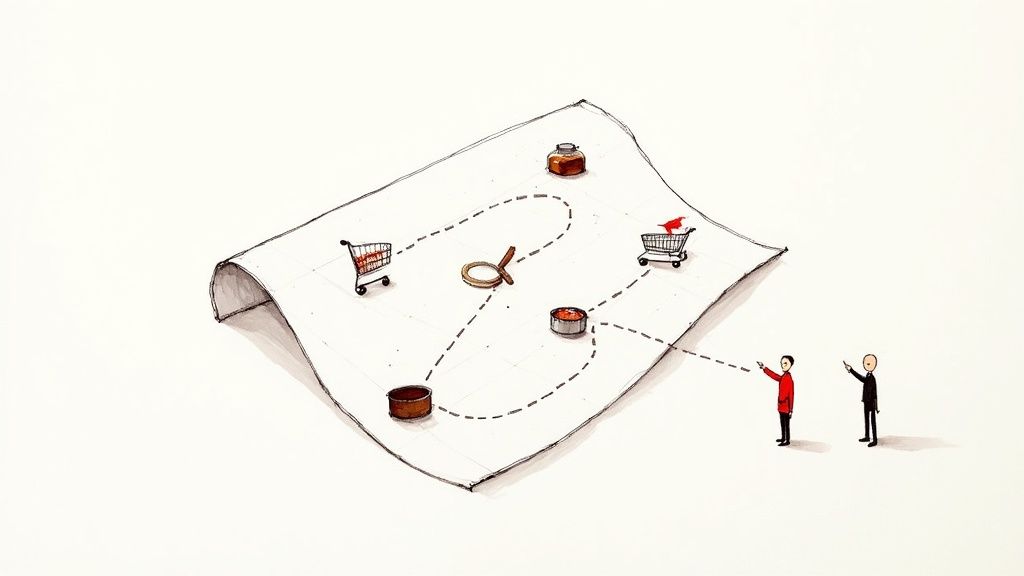
A culinary scavenger hunt infuses adventure and strategy into a cooking challenge. Teams receive a series of clues or challenges that lead them to various locations to gather specific ingredients, tools, or culinary knowledge. The hunt can take place in a farmers’ market, a grocery store, or even across different departments of a large hotel. The activity culminates in a final cook-off where teams must use the items they successfully collected.
This format tests a wide range of skills beyond the kitchen, including problem-solving, navigation, resource management, and strategic planning. It breaks the monotony of a single-location event, encouraging teams to think on their feet and collaborate effectively in a dynamic, and often public, environment. The physical movement and puzzle-solving elements make it a uniquely engaging culinary team-building activity.
How It Fosters Team Cohesion
The hunt requires a clear division of labor from the start. Teams must quickly assign roles like clue-reader, navigator, and runner to manage their time efficiently. This reliance on each other to solve puzzles and gather items builds trust and reinforces the idea that every role is critical to the team’s overall success. The shared experience of navigating an unfamiliar challenge together creates strong bonds and lasting memories.
Best For
This activity is perfect for energetic and competitive teams that enjoy a mix of mental and physical challenges. It is highly effective for onboarding new team members, as it encourages quick collaboration and breaks the ice in a fun, low-pressure setting. The format is scalable for groups of 10 to 50, as long as teams are kept small (three to five people) to ensure everyone is actively involved.
Actionable Implementation Tips
- Create Clear and Unambiguous Clues: Test your scavenger hunt route and clues in advance to ensure they are solvable but challenging. Ambiguity can lead to frustration rather than fun.
- Balance the Challenges: Mix physical tasks like finding an item at the far end of the market with mental puzzles like solving a riddle to identify the next ingredient. This ensures team members with different strengths can contribute.
- Set Realistic Time Limits: Accurately time the route yourself to set an achievable but challenging deadline. Build in a small buffer for unexpected delays.
- Establish a Home Base: Designate a clear starting and ending point where the final cooking challenge will take place. Ensure it is prepped with basic equipment and safety gear.
10. Themed Cuisine Night
A themed cuisine night transports your team on a global culinary journey without leaving the kitchen. This activity involves assigning teams a specific regional or national cuisine to research, plan, and execute. From sourcing authentic ingredients for Spanish paella to mastering the art of Japanese sushi, teams collaborate on every step, from concept to presentation. It is a rich, multi-layered experience that blends cultural education with hands-on cooking.
This format goes beyond simple recipe execution, encouraging a deeper understanding of food history and cultural context. Participants must work together to research traditions, divide responsibilities like menu planning and ingredient sourcing, and then bring their vision to life. The activity fosters appreciation for diversity while building practical project management and communication skills.
How It Fosters Team Cohesion
The themed cuisine night requires a blend of creative and logistical teamwork. Who will research the history of the dishes? Who is responsible for sourcing authentic spices? Who will lead the cooking process? This division of labor encourages team members to rely on each other’s strengths, building a cohesive plan from start to finish. Presenting the final meal to the group creates a shared sense of accomplishment and cultural appreciation.
Best For
This activity is perfect for teams that value creativity, cultural exploration, and in-depth learning. It is highly effective for culturally diverse teams or organizations looking to promote global awareness. It is also an excellent choice for groups of 10 to 30, as multiple teams can work on different cuisines simultaneously, culminating in a diverse, celebratory feast.
Actionable Implementation Tips
- Assign Cuisines Thoughtfully: Offer a choice of three to five distinct cuisines. Provide teams with starter resources, but encourage them to conduct their own research to foster ownership and creativity.
- Emphasize Cultural Respect: Frame the activity around celebration and learning. Encourage teams to research the cultural significance of their chosen dishes and present their findings respectfully along with the meal.
- Source Authentic Ingredients: Partner with local specialty markets or online suppliers to provide authentic ingredients. This small detail greatly enhances the experience and the final product’s quality.
- Structure the Presentation: Ask each team to prepare a brief, two-minute presentation on their cuisine, explaining the history of a key dish and why they chose their menu. This adds a storytelling element to the event.
Top 10 Culinary Team Building Activities Comparison
| Format | Implementation complexity | Resource requirements | Expected outcomes | Ideal use cases | Key advantages |
|---|---|---|---|---|---|
| Cooking Competition Format | Medium–High | Medium–High | Clear performance metrics, high engagement, and teamwork under pressure. | Competitive team-building, company events, and short retreats. | High engagement and measurable outcomes. |
| Farm-to-Table Workshop | Medium | Medium | Increased sustainability awareness, stronger local connections. | Sustainability initiatives, retreats, and community engagement. | Educational, authentic outdoor experience. |
| Blind Taste Testing Challenge | Low | Low | Improved sensory awareness and communication, inclusive participation. | Casual team events, intro sessions, budget-conscious programs. | Accessible and low-cost; minimal skill required. |
| Cooking Class Format | Low–Medium | Medium | Skill development, predictable outcomes, and increased confidence. | Training, mixed-skill groups, learning-focused workshops. | Skill-building with professional guidance. |
| Progressive Dinner Party | High | High | Deep social bonding and varied dining experiences. | Networking events, small-group social programs, and community builders. | Extended social engagement; memorable shared journey. |
| Potluck and Recipe Swap | Low | Low | Cultural exchange, inclusivity, and personal storytelling. | Diversity celebrations and informal gatherings. | Highly inclusive and low organizational burden. |
| Molecular Gastronomy Workshop | High | High | Creative thinking, memorable novelty, and technical skills exposure. | Innovation retreats, creative teams, high-budget events. | Unique, highly engaging, and encourages experimentation. |
| Iron Chef Style Team Battle | High | High | Intense teamwork, role specialization, and problem-solving. | Competitive groups, leadership training, and high-energy events. | Realistic kitchen simulation and strong team bonding. |
| Culinary Scavenger Hunt | Medium–High | Medium | Physical engagement, problem-solving, and diverse team roles. | Outdoor retreats, active teams, creative problem-solving sessions. | Energetic, multifaceted activity combining movement and cooking. |
| Themed Cuisine Night | Medium | Medium | Cultural appreciation, collaborative planning, and educational outcomes. | Diversity-focused events, cultural celebrations, and learning groups. | Educational and celebratory; builds cultural understanding. |
Turning a Fun Event into Lasting Improvement
A great team-building day means nothing if the lessons disappear once everyone is back on the line. The real power of culinary team-building activities comes from turning those shared moments into daily habits that improve communication, collaboration, and service.
Here’s how to make the impact stick:
-
Lead a Structured Debrief: Right after the activity, guide a focused discussion. Go beyond “Was it fun?” and ask specific questions about communication, decision-making, and problem-solving.
-
Connect to Real Service Scenarios: Show your team how delegation, timing, and adaptability from the activity mirror the realities of a busy Saturday night.
-
Document and Reinforce Takeaways: Capture key insights, turn them into actionable goals, and revisit them in ongoing meetings to keep progress on track.
A culinary challenge is not the finish line, it’s the starting point for better teamwork. When you intentionally integrate these experiences into daily operations, you build a more resilient, cohesive, and high-performing staff. Ultimately, these activities are a strategic investment in your most valuable asset: your people.
Ready to build on this momentum and cultivate a consistently high-performing team? MAJC provides the essential tools, from expert sessions to leadership development templates, designed specifically for the demands of the hospitality industry. Visit MAJC to discover how our resources can help you turn the lessons from your next team-building event into lasting operational excellence.