


Figuring out how to raise sales in your restaurant always comes back to one thing: making smart, data-driven decisions instead of just guessing. It all starts with taking an honest look at your current performance, figuring out what’s actually working, and finding the opportunities hiding in plain sight.
This initial audit is your foundation. Get this right, and every other strategy you roll out will be built on solid ground.
Your Starting Point for Boosting Restaurant Sales
Before you try to raise sales, you need a clear picture of how your restaurant is actually performing. Focusing only on top-line revenue hides the operational details where real growth opportunities live.
That insight comes from your point of sale (POS) system. It reveals how guests order, which menu items drive revenue, and where efficiency is breaking down. When you use this data well, it becomes the foundation for smarter menu decisions, better upselling, and more effective marketing.
Uncovering What Really Matters
A proper audit starts with tracking a few essential numbers that paint the full picture of your sales performance. These are not just vanity metrics; they provide the context you need to see if you’re actually maximizing your potential.
Here are the metrics you should be looking at:
- Average Check Size: This tells you exactly how much a typical guest spends per visit. If that number is flat or dropping, it’s a massive red flag that you’re missing out on upselling or menu optimization.
- Table Turnover Rate: This is all about speed and efficiency, how quickly can you serve one party and seat the next? Nudging this rate up, even slightly, can dramatically boost your revenue during a busy service without adding a single table.
- Sales Per Seat Hour (SPSH): This metric is a powerhouse. It combines your check size and turnover rate to show how much revenue each chair in your dining room is generating per hour. It’s the ultimate way to compare performance across different days or shifts.
- Menu Item Profitability: Do not just look at what sells the most. You have to know which dishes are actually making you the most money. That popular burger might fly out of the kitchen, but if its food cost is sky-high, it’s far less valuable than a signature pasta dish with a killer profit margin.
A quick audit can feel overwhelming, but it does not have to be. The goal is to get a quick snapshot of where you stand so you can start asking the right questions.
Here’s a simple checklist to get you started.
Quick Wins Sales Audit Checklist
| Audit Area | Key Metric to Review | Actionable Question to Ask |
|---|---|---|
| Guest Spending | Average Check Size | Are servers consistently suggesting add-ons, sides, or drinks? |
| Dining Room Efficiency | Table Turnover Rate | Where are the bottlenecks between seating, ordering, and paying? |
| Peak Hour Performance | Sales Per Seat Hour (SPSH) | Is our busiest shift also our most profitable? |
| Menu Stars & Dogs | Item Popularity vs. Profitability | Are we actively promoting our most profitable dishes? |
| Staff Performance | Sales per Server | Who are my top performers, and what can the rest of the team learn from them? |
| Daypart Analysis | Sales by Time of Day | Is our lunch service pulling its weight, or is it a missed opportunity? |
This is not about finding blame; it’s about finding opportunities. Use this checklist as a starting point to spark conversations with your team and identify a few key areas for immediate improvement.
Identifying Sales Trends and Patterns
Once you understand your core metrics, the real opportunity is spotting patterns over time. Look at sales by day and by category. Are certain weekdays consistently slow? Do weekends drive higher appetizer or dessert orders?
These insights let you move from reactive to proactive. A slow night can turn into a targeted promotion, and a spike in shareable items might justify expanding that section of the menu.
Understanding your restaurant’s natural rhythms helps you staff smarter, reduce waste, and launch promotions that actually drive revenue. This is not a one-time exercise, but the start of an ongoing process that supports sustained sales growth.
Engineer Your Menu for Maximum Profitability
Your menu is so much more than a list of food. It’s the single most powerful sales tool you have. When you get it right, it quietly guides guests toward your most profitable dishes, nudges up their check average, and makes their whole experience better. We call this menu engineering, and it’s a game-changer for a restaurant’s financial health. It’s part art, part science.
It all starts with digging into your POS data to understand what each dish is really doing for you. You need to know two things about every item: how popular it is (how often it sells) and how profitable it is (its contribution margin). Once you have that, you have a roadmap to start making smarter decisions.
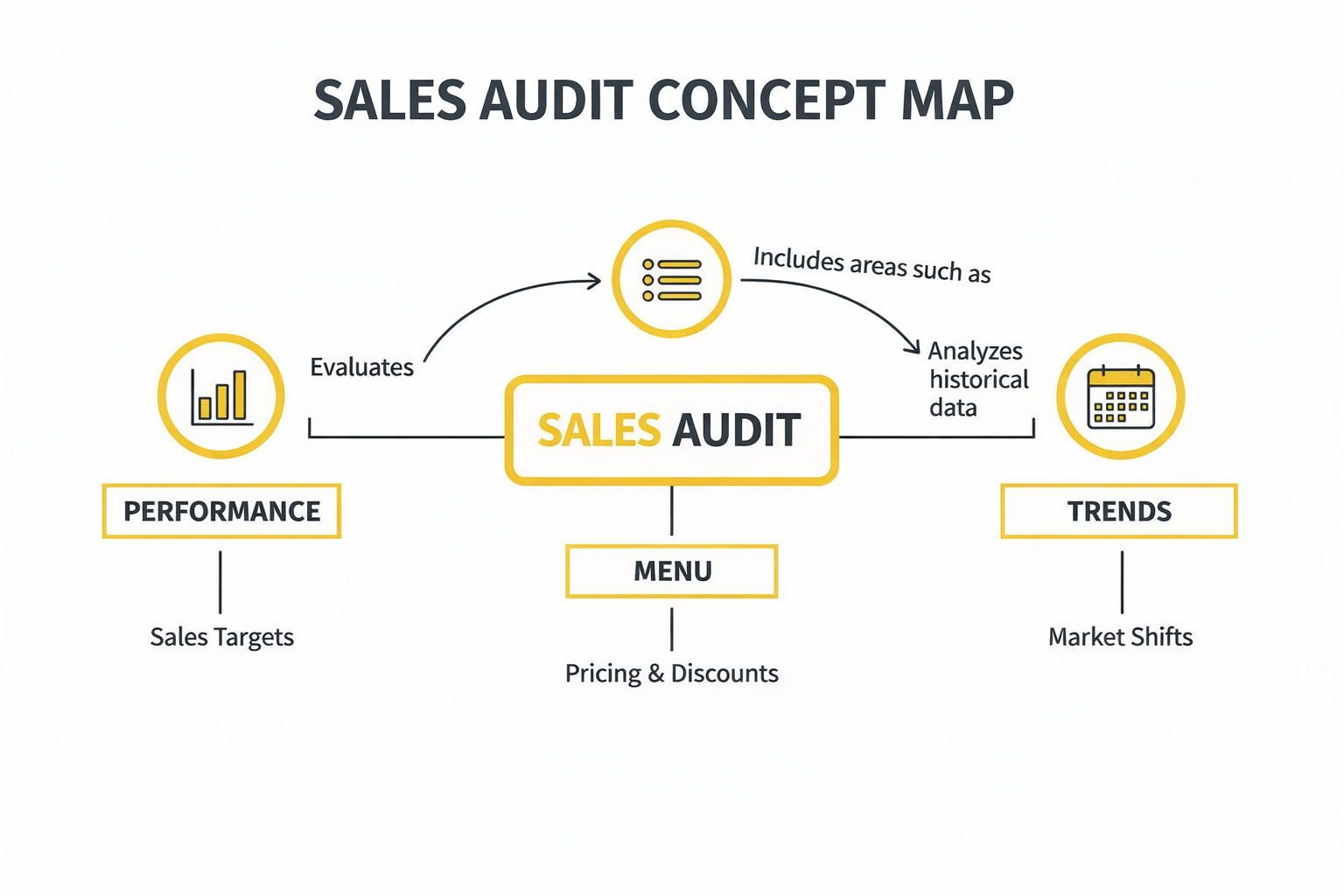
This process connects the dots between your menu, your overall sales performance, and the trends hiding in your data. The big takeaway here is that your menu does not exist in a vacuum; its success is tied directly to what your numbers are telling you.
The Four Menu Categories
Every single item on your menu falls into one of four buckets. Knowing which bucket an item belongs to tells you exactly what to do with it.
- Stars (High Profitability, High Popularity): These are your winners. Guests love them, and they make you great money. Your only job is to protect and promote them.
- Plowhorses (Low Profitability, High Popularity): Everyone orders these, but they don’t do much for your bottom line. They’re popular, but their margins are thin and need a little help.
- Puzzles (High Profitability, Low Popularity): These are the hidden gems. Fantastic margins, but for some reason, they just are not selling. If you can figure out why, you can unlock some serious profit.
- Dogs (Low Profitability, Low Popularity): These items are just taking up space. Nobody’s ordering them, and they don’t make you money. They’re usually the first to go.
Once you categorize your menu, you are no longer guessing. You’re working from a data-backed plan, actively guiding guests toward the dishes that make the biggest impact on your revenue.
Strategic Actions for Each Category
Okay, you’ve got your items sorted. Now what?
For your Stars, make them impossible to miss. Put them in the prime real estate on your menu, use mouth-watering photos on Instagram, and train your staff to recommend them enthusiastically. They’re your champions, let them shine.
With Plowhorses, the goal is to improve profitability without ticking off their fans. Can you tweak the recipe with a slightly lower-cost ingredient? Could you test a small price bump? Or maybe create a “deluxe” version? For example, take that popular but low-margin burger and add bacon jam and a fancy cheese for a couple of extra bucks. Getting a tight handle on your food cost percentage is nonnegotiable here.
Puzzles need some marketing love. Rewrite the description to make it sound irresistible. Give it a catchier name. Make it a server’s special for a week. Sometimes, all it takes is moving it to a different spot on the page or getting a great photo to turn a Puzzle into a Star.
And finally, the Dogs. The answer is usually simple: get rid of them. They slow down your kitchen, make inventory a pain, and do nothing for your sales. If you’re feeling sentimental, run it as a limited-time special one last time to see if there’s any life left in it before you pull the plug.
Psychological Pricing and Layout
How your menu looks and reads is just as important as what’s on it. A few small psychological tweaks can have a huge impact on what people order.
- Ditch the Dollar Signs: Studies have shown that simply removing the currency symbol ($) can get guests to spend more. It takes the focus off the price. An item listed as “18” feels different than one listed as “$18.00.”
- Use Charm Pricing: It’s a classic for a reason. Ending prices in .99 or .95 still works. A price like 17.95 just feels psychologically cheaper than 18.
- Guide Their Eyes: People do not read menus like a book. Their eyes tend to jump to certain spots, often starting at the top right corner. Put your Stars and Puzzles in those high-traffic zones. This is where investing in professional menu printing really pays off, because a smart layout does half the selling for you.
When you blend this kind of data analysis with smart, psychological design, your menu stops being a simple list and starts becoming an engine for sales. This is a foundational step in figuring out how to raise sales in a restaurant for the long haul.
Mastering the Art of Upselling and Cross-Selling
Once your menu is dialed in for profit, it’s time to teach your team how to actually sell it. This is where upselling and cross-selling come into play, two ridiculously powerful techniques that, when done right, bump up your average check while making the guest experience even better.
This is not about being pushy. It’s about making thoughtful, helpful suggestions that feel like expert guidance. This is a critical piece of the puzzle for raising sales because it transforms every single interaction from a simple transaction into a real opportunity. Your servers stop being order-takers and become guides, helping guests find a new favorite or enjoy their meal just a little bit more.
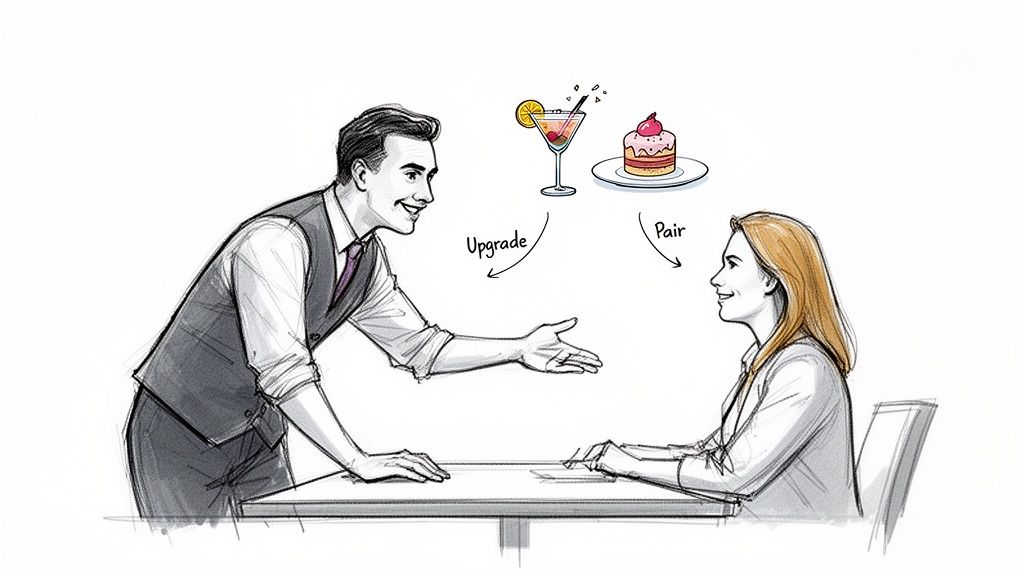
Upselling vs. Cross-Selling: The Subtle Difference
People throw these terms around interchangeably, but they’re two distinct strategies. Getting the difference right is the key to training your team effectively.
- Upselling is all about encouraging a guest to buy a more premium version of something they’re already thinking about. It’s an upgrade.
- Cross-selling is recommending a complementary item that goes great with what the guest has already decided on. It’s an addition.
So, when a guest orders a gin and tonic, suggesting a top-shelf gin like Hendrick’s instead of the well brand? That’s an upsell. When they order the steak frites, and you ask if they’d like to add a side of sautéed mushrooms? That’s a cross-sell.
The magic happens when these suggestions feel natural and authentic, not like a scripted sales pitch. The goal is to enhance the meal, not just inflate the bill. A successful upsell makes the guest feel like they’re getting an insider tip.
Training Your Team for Authentic Suggestions
Your staff cannot recommend what they do not know. The foundation of any good suggestive selling program is deep, genuine product knowledge. Your team needs to taste every single dish, understand the flavor profiles, and know the stories behind your signature cocktails or that farm-to-table ingredient.
Give them specific, actionable scripts that feel conversational, not robotic. Ditch the generic “Would you like an appetizer?” and teach them to say, “The kitchen just pulled a fresh batch of our crispy calamari. It’s fantastic with a squeeze of lemon and pairs perfectly with that Sauvignon Blanc you’re enjoying.” That tiny shift turns a boring question into a compelling recommendation. For more in-depth strategies, check out our detailed guide on developing your front-of-house team member.
Here are a few practical scenarios to role-play during your next pre-shift:
- The Drink Order: From “Would you like another beer?” to “Can I get you another IPA, or would you like to try the local stout we just tapped? It has some great chocolate notes.”
- The Main Course: From “Are you ready to order?” to “The chef is really proud of the braised short rib tonight. It’s been slow-cooking all day and just falls off the bone.”
- The Dessert Question: From “Any room for dessert?” to “Our pastry chef made a key lime pie this morning with a graham cracker crust that is unbelievable. Can I bring a slice for the table to share?”
Using Value Deals to Drive Volume
Suggestive selling is not just about premium items; it’s also about perceived value. Especially right now, diners are hunting for deals that make eating out feel more affordable. This is a huge opportunity for smart cross-selling.
Value is officially king. According to Yelp search data, searches for “meal deal” have jumped 117% year-over-year, while “value meal” searches are up 22%, signaling a clear shift in how guests choose where and what to order. This behavior spans the industry, as full-service and limited-service restaurants together account for the majority of U.S. foodservice sales.
This is your chance to bundle a popular plowhorse with a high-margin side or drink. Think about a “Burger and a Beer” combo on a Tuesday night or a prix-fixe lunch special that includes a non-alcoholic beverage and a small dessert. These deals make the guest feel like they’re getting a great price, while you successfully increase the average check and move specific inventory. It’s a win-win that turns a price-conscious decision into a higher sale.
Invest in Your Team to Drive Sales Growth
You can engineer the perfect menu and fine-tune your marketing, but the heart of your restaurant will always be your team. The servers, hosts, bartenders, and kitchen crew are the ones who execute your vision and create the guest experience. Investing in them is not just a cost; it’s one of the most powerful ways to drive more sales.
A well-trained, motivated, and happy team delivers the kind of consistently excellent service that turns a first-time visitor into a lifelong regular. This is about more than just operational efficiency. It’s about creating a culture of genuine hospitality where every employee feels empowered to make a guest’s day.
Build a Comprehensive Training Program
Great service does not happen by accident. It’s the result of a structured, repeatable training program that goes way beyond the basics of taking an order or running food. Your training should equip your team with the skills to be true brand ambassadors.
Think beyond the operational checklist and build out modules on:
- Genuine Hospitality: Teach your team how to read guest cues, anticipate needs, and solve problems before they escalate. This is the difference between transactional service and a memorable experience.
- Suggestive Selling: This is not a pushy sales tactic; it’s about enhancing a guest’s meal. When a server genuinely knows the menu, their recommendation for a wine pairing or a specific dessert feels like helpful advice, not an upsell.
- Brand Storytelling: Does your team know the story behind your signature dish? Or why you source ingredients from that one local farm? Sharing these details adds depth to the dining experience and makes your restaurant stand out.
A team that understands the “why” behind their tasks is just more engaged. When they believe in the brand story, they can sell it authentically, turning a simple meal into an experience that guests will actually remember and talk about.
Smart Scheduling and Fair Compensation
High turnover is a silent killer of restaurant profits. Constantly recruiting, hiring, and training new people is a massive drain on your time, money, and morale. More importantly, it creates an inconsistency in service that guests absolutely feel.
One of the most effective ways to cut down on turnover is through smart, predictable scheduling and fair pay. When your crew has stable hours they can plan their lives around and feel they’re paid fairly for their hard work, their loyalty, and performance skyrockets.
This stability is critical in a growing market. The U.S. restaurant industry has surpassed $1 trillion in annual sales, supported by a workforce of more than 15 million people, making it one of the largest private-sector employers in the country, as reported by the National Restaurant Association. In this competitive landscape, restaurants with solid teams and lower turnover consistently outperform their peers by delivering smoother service that keeps customers coming back.
Investing in your team’s well-being translates directly to a better guest experience and a healthier bottom line. Happy employees create happy guests, and happy guests are the ultimate drivers of sales growth.
Expand Your Reach with Local Marketing and Community Engagement
A perfectly engineered menu and a highly trained team are essential, but you still need people walking through the door. This is where a smart, hyper-local marketing strategy becomes your best friend. It’s about moving beyond occasional social media posts and building a genuine, lasting presence in your neighborhood.
Becoming a true community hub is one of the most sustainable ways to drive sales. When locals see you as their spot, you build a foundation of loyalty that insulates you from trends and competition. It all starts by making your restaurant incredibly easy to find for people who are nearby and ready to eat.
Dominate Local Search with Google Business Profile
For a local restaurant, your Google Business Profile (GBP) is arguably more important than your website. It’s the first thing potential customers see when they search for phrases like “best tacos near me.”
Optimizing this profile is a nonnegotiable, high-impact task. Think of it as your digital front door.
This is your shot to make a powerful first impression with high-quality photos, up-to-date hours, and direct links for reservations or online ordering. A complete and active profile signals to Google that you are a relevant, trustworthy business, which boosts your visibility in local search results.
Make sure you’re actively managing it:
- Respond to Every Review: Thank positive reviewers and address negative feedback professionally. It shows you care and are paying attention.
- Upload High-Quality Photos Weekly: Post pictures of new dishes, your dining room, and happy guests. Fresh content keeps your profile active and appealing.
- Use the Q&A Feature: Proactively answer common questions about parking, dietary options, or reservations before people even have to ask.
Build Direct Relationships with Email Marketing
Social media is great for discovery, but you do not own your followers. An email list is a direct line to your most loyal customers, giving you a powerful way to drive repeat business without relying on fickle algorithms.
Start collecting emails at every touchpoint, a sign-up form on your website, a QR code on your menus, or a fishbowl at the host stand. The key is to offer a real reason to join, like a free appetizer on their next visit or first access to special event tickets. A smart email campaign is a core piece of any successful restaurant marketing plan.
Do not just send promotions. Use your newsletter to tell stories, introduce a new chef, or share the inspiration behind a seasonal menu. This builds a real connection that turns subscribers into regulars who feel like insiders.
Forge Strategic Local Partnerships
Why go it alone? Team up with other noncompeting local businesses to cross-promote and tap into each other’s customer bases. These partnerships create a win-win, introducing your restaurant to new audiences who already trust the businesses you’re working with.
Consider these ideas:
- Dinner and a Show: Partner with a local theater to offer a pre-show prix-fixe menu.
- Corporate Catering: Connect with nearby office buildings to become their go-to for catered lunches and meetings.
- Fitness Studio Collab: Work with a local yoga or spin studio to offer a special “post-workout” brunch discount to their members.
Collaborating with local food bloggers or micro-influencers can also give you a huge boost. These partnerships often feel more authentic and tap into a highly engaged local following. For a deeper dive, explore influencer marketing strategies tailored for hospitality brands to find what works for you.
Engage Authentically with Your Community
Finally, go beyond marketing and truly embed your restaurant in the fabric of the neighborhood. Authentic community engagement builds goodwill and word-of-mouth buzz that no amount of advertising can buy.
Sponsor a local little league team. Host a charity night where a percentage of sales goes to a neighborhood school. Offer your space for a local artist to display their work.
These actions show you’re invested in the community’s success, not just your own. This is how you transform your restaurant from just a place to eat into a beloved local institution.
Frequently Asked Questions About Increasing Restaurant Sales
Here are the straight answers to the most common questions.
What is the quickest way to see a sales lift?
The fastest win is almost always hidden in your existing operation. Before you spend a dime on new marketing, focus on the guests who are already walking through your door.
Your team is the key. Get them fired up about suggestive selling and upselling today. This is not about being pushy; it’s about genuine recommendations. Train them to suggest a premium gin for that G&T, add a side of truffle fries, or talk up the dessert special with real enthusiasm. A small bump in the average check, multiplied by hundreds of guests a week, adds up fast. You can see a real difference in days, not months.
How can I increase sales on slow weekdays?
Slow weekdays are your lab. It’s the perfect time to experiment with targeted promos and events that give people a reason to leave their couch on a Tuesday night.
Forget generic discounts. Try one of these proven tactics:
- Themed Nights: Think “Taco Tuesday” or “Wine Wednesday.” They’re simple, catchy, and create a reliable routine for locals.
- Neighborhood Appreciation: Offer a standing 10% discount for folks in your immediate zip code on a specific weeknight. It’s a small gesture that builds serious local loyalty.
- Happy Hour Specials: A killer happy hour menu can create an entirely new, profitable daypart. It bridges the gap between the after-work crowd and the dinner rush, turning a slow period into a packed one.
A common mistake is slashing prices with a generic “50% Off” deal. That just devalues your brand. Instead, create value-added bundles, like a “Burger and a Beer” special. The perceived value for the guest is high, but you’re not just giving away margin.
How important is technology for increasing sales?
Technology is not a “nice-to-have” anymore; it’s a core part of the playbook for growth. The right tech stack makes your operation smoother, the guest experience better, and gives you the data you need to make smart calls.
Your POS system, for example, should do way more than just process payments. It should tell you which menu items are killing it, spot sales trends, and help you manage inventory. Online reservation systems cut down on no-shows with automated reminders and can even secure revenue upfront with pre-paid bookings for special events.
What is the best way to measure the ROI of my efforts?
You cannot just look at the top-line revenue and hope for the best. To really know if a new strategy is working, you have to track the specific Key Performance Indicators (KPIs) tied to that effort.
Isolating the right metric is everything.
- Launched an upselling program? Track your Average Check Size. Did it go up after the training?
- Running a weekday promotion? Monitor Guest Counts for that specific day. Did more people show up?
- Redesigned your menu? Analyze your Item Sales Mix. Are you selling more of your high-profit “Star” items?
By tying your metrics to your actions, you get a clear picture of what’s working and what’s not. It lets you double down on the wins and kill the strategies that are draining your resources. That’s how you build a cycle of constant, smart improvement.
At MAJC✨, we provide restaurant operators with the tools, training, and community support needed to build smarter, more profitable businesses. From hiring and retention strategies to operational best practices, we help you turn challenges into growth opportunities. Learn how MAJC can help you run a more successful restaurant.