


Running a successful restaurant isn’t about finding one “perfect” tool. It’s about choosing the right platforms to help people discover you, talk about you, book a table, or place an order, while also staying connected to the broader hospitality industry you operate in. In today’s landscape, visibility and connection matter just as much as execution.
This guide cuts through the noise by highlighting the top restaurant apps that shape how restaurants are discovered, chosen, and supported. From guest-facing platforms like reservations and delivery apps to industry-driven tools and communities where operators and workers connect, each app plays a role in how modern restaurants grow.
1. MAJC
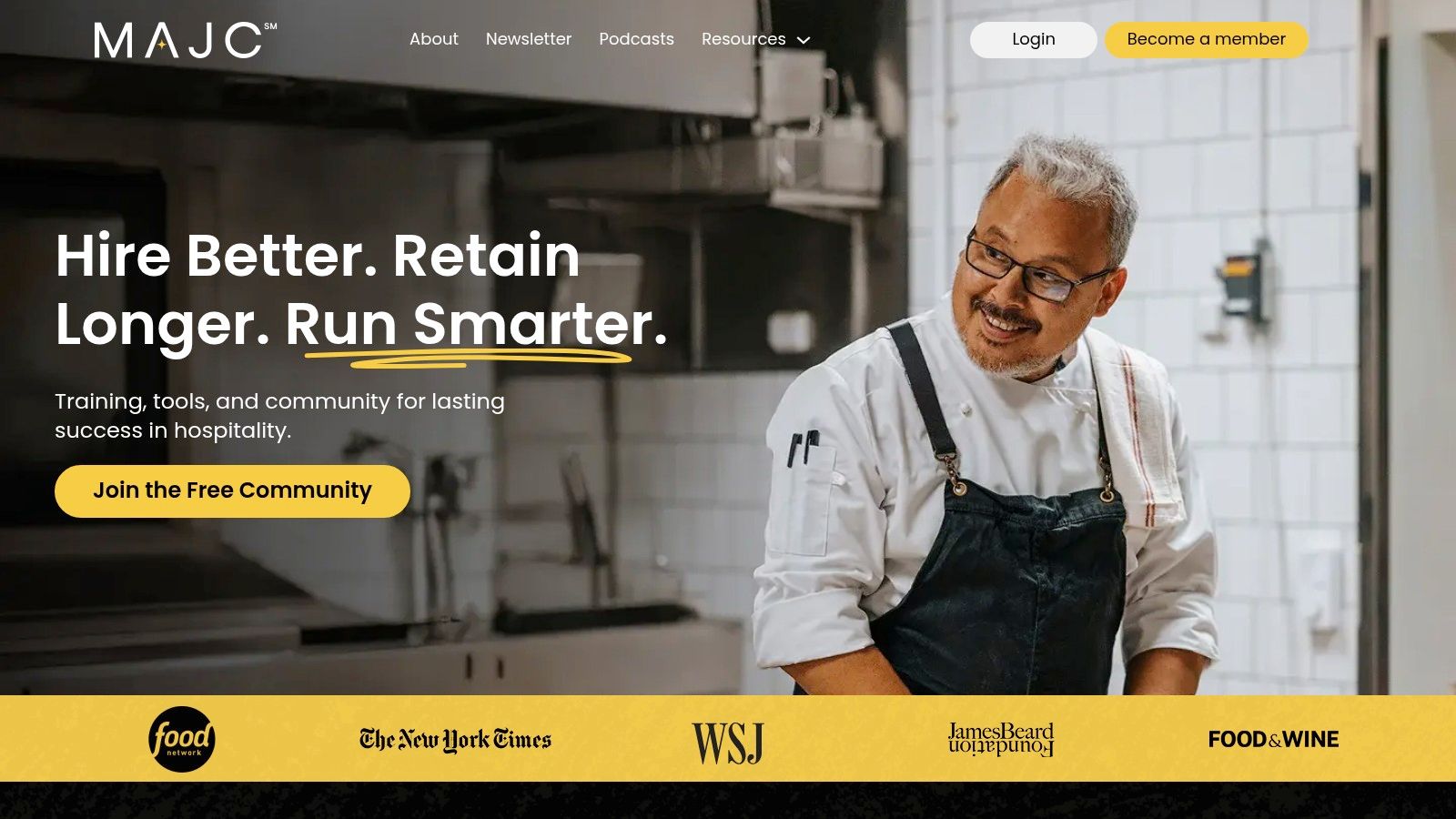
MAJC earns its place among the top restaurant apps by focusing on something the industry often overlooks: community-driven growth. Built by hospitality professionals, it brings together owners, operators, managers, and frontline workers in one space to share real experiences, solve everyday challenges, and learn from people who truly understand the job.
At its core, MAJC is a hospitality community designed to support better decisions through peer connection, expert conversations, and practical resources. Through its podcast, templates, and access to experienced voices across leadership, operations, finance, and people management, MAJC helps hospitality professionals grow smarter together.
Key Considerations for Operators
MAJC’s platform is structured around two key pillars, each designed to solve specific operational pain points for restaurant leaders.
- Operator-Built Resources & Systems: Members gain access to a library of ready-to-implement templates and operator-tested systems for staffing, onboarding, and daily operations. These resources are designed for immediate application, not theoretical study.
- Active, Expert-Led Community: This is a key differentiator. MAJC hosts weekly discussions and office hours with industry veterans. This peer-to-peer network allows operators to solve real-world problems in real-time and build valuable professional connections.
Implementation & Pricing
Getting started with MAJC is remarkably straightforward, thanks to its low-barrier entry model. The platform offers a no-fee Founders Membership that provides full access to its tools, templates, and community features. This model allows operators to experience significant value without an upfront financial commitment.
Website: majc.ai
2. DoorDash
As the dominant player in the U.S. food delivery market, DoorDash has become a key sales channel for many restaurants. For operators, it offers immediate access to a massive customer base, extending reach far beyond the dining room without the cost or complexity of running an in-house delivery operation.
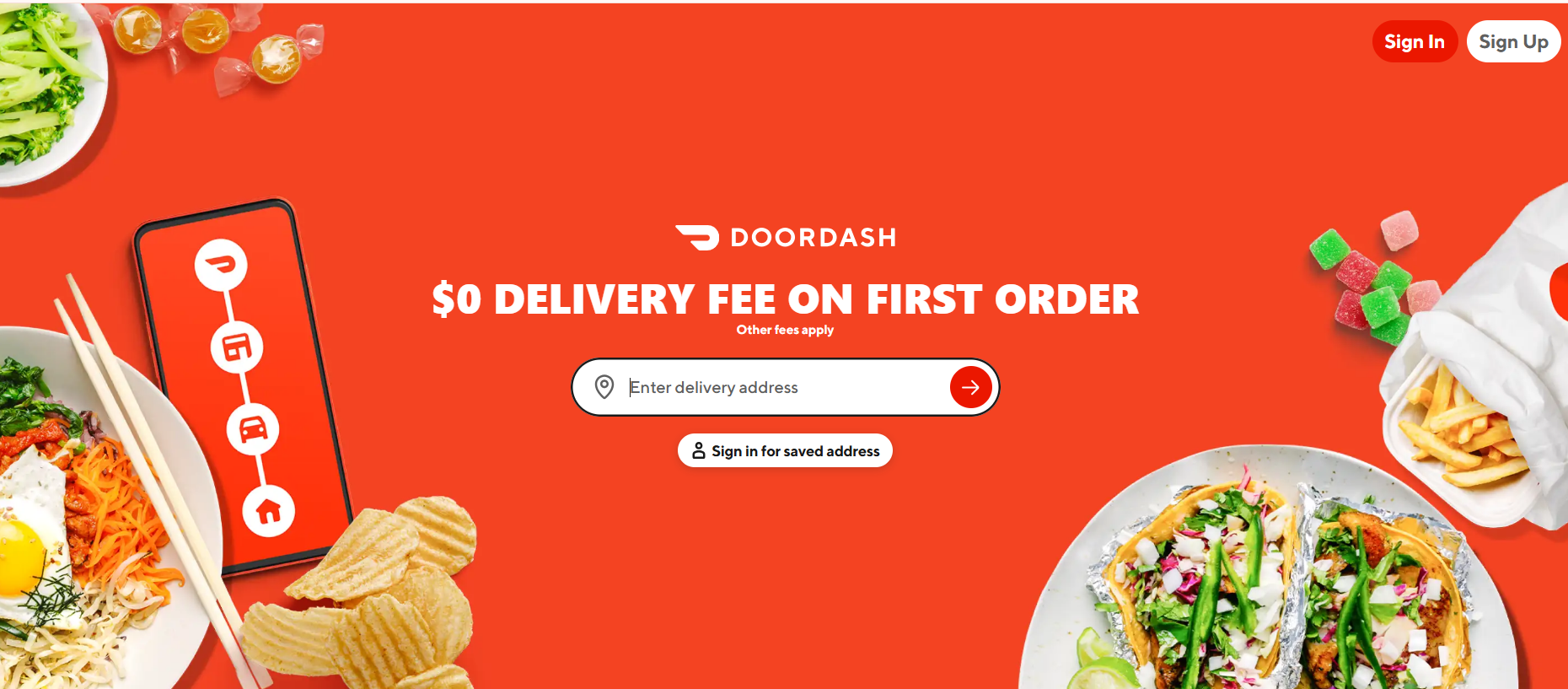
Its biggest advantage is scale. Whether you run a single location or a multi-unit brand, DoorDash connects you to millions of active users and an established logistics network. Built-in app marketing, including promotions and DashPass exposure, helps drive off-premise sales with visibility that would be difficult and expensive to replicate on your own.
Key Considerations for Operators
While the benefits are clear, success on the platform requires strategic management. Commission fees are a significant factor, and operators must carefully price their delivery menu to maintain profitability. It is crucial to understand the impact of these fees; you can calculate your restaurant’s profit margins to see how third-party commissions affect your bottom line. Effective menu engineering and optimizing for high-margin, delivery-friendly items are essential.
- Ideal For: Single-unit, multi-unit, and franchise operations seeking to expand their off-premise sales and reach new customers without building a proprietary delivery system.
- Pros: Unmatched customer reach in the U.S., powerful built-in marketing tools and promotions, and a robust order tracking and logistics infrastructure.
- Cons: Commission fees can be substantial, and operators have limited control over the end-to-end customer experience once the order leaves the kitchen.
- Website: https://doordash.com
3. Uber Eats
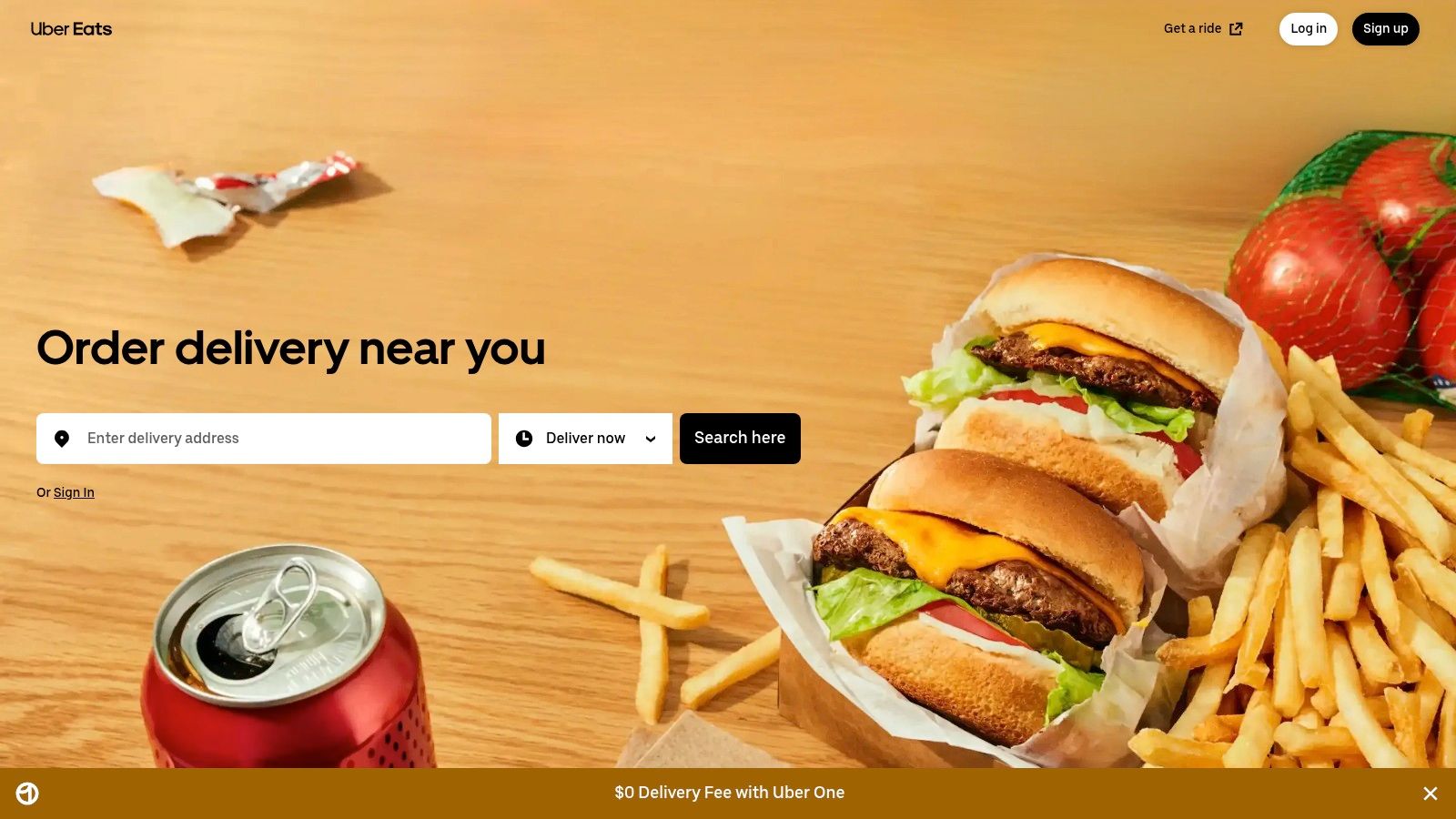
Backed by the global reach of the Uber brand, Uber Eats is a major force in food delivery. For restaurant operators, it provides access to a large, diverse audience already embedded in the Uber ecosystem, including users who regularly order through the Uber One membership program.
Its biggest advantage is seamless cross-promotion with the core Uber app. Uber One encourages frequent ordering by bundling food delivery with ride benefits, giving restaurants ongoing exposure to highly engaged, value-driven customers. This built-in loyalty loop helps drive repeat orders and consistent off-premise demand.
Key Considerations for Operators
While the integrated membership model is a key benefit, operators must still manage their presence strategically to maximize profitability. The commission structure and various fees require careful menu pricing and an understanding of how each order impacts the bottom line. It’s important to leverage the platform’s promotional tools and analyze performance data to optimize offerings and drive incremental sales without sacrificing margins. Engaging with these tools is crucial for standing out in a competitive marketplace.
- Ideal For: Restaurants in urban and suburban markets looking to attract customers already active in the Uber ecosystem, especially those appealing to a broad demographic.
- Pros: Access to a large, loyal customer base through the Uber One membership, strong brand recognition, and frequent platform-funded promotions.
- Cons: Commission fees can impact profitability, and pricing structures can be complex. The platform has also faced public legal scrutiny over its membership practices.
- Website: https://ubereats.com
4. Grubhub
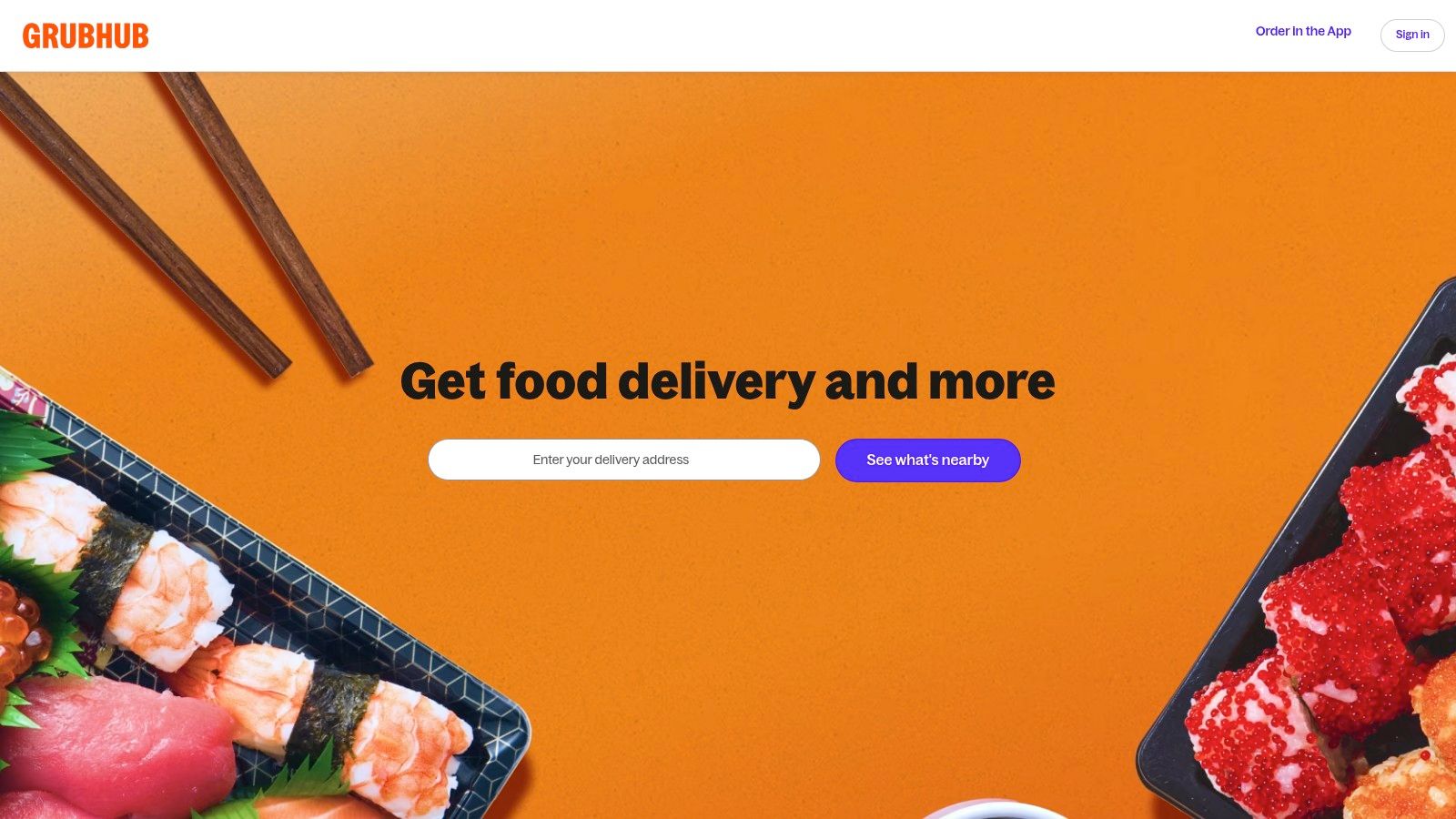
As one of the original players in food delivery, Grubhub gives restaurants access to a large, loyal customer base, with especially strong traction in major urban markets like New York City and on college campuses. For operators, it remains a reliable channel for capturing incremental pickup and delivery orders.
Its biggest differentiator is the partnership with Amazon Prime. Prime members can activate a complimentary Grubhub+ membership, exposing restaurants to a massive pool of subscription-driven users who tend to order more frequently. This integration makes Grubhub particularly attractive for operators looking to increase visibility among high-intent, repeat customers.
Key Considerations for Operators
Success on Grubhub involves leveraging its unique audience and promotional tools while carefully managing commission structures. Operators should view the platform not just as an order channel but as a marketing tool, optimizing their listings and participating in targeted promotions to attract Grubhub+ members. It is also important to maintain consistent service levels, as this directly impacts visibility and customer ratings on the app. Ensuring your team is aligned with third-party order protocols is essential; you can find helpful resources in these restaurant standard operating procedures examples to streamline your workflow.
- Ideal For: Restaurants in urban areas (especially NYC) or near college campuses, and those looking to attract the large Amazon Prime user base.
- Pros: Strong presence in key urban and university markets, valuable integration with Amazon Prime driving high-frequency customers, and a large, established user base.
- Cons: Commission fees can impact profitability, and some user feedback points to inconsistencies in customer service and the application of promotions.
- Website: https://grubhub.com
5. OpenTable
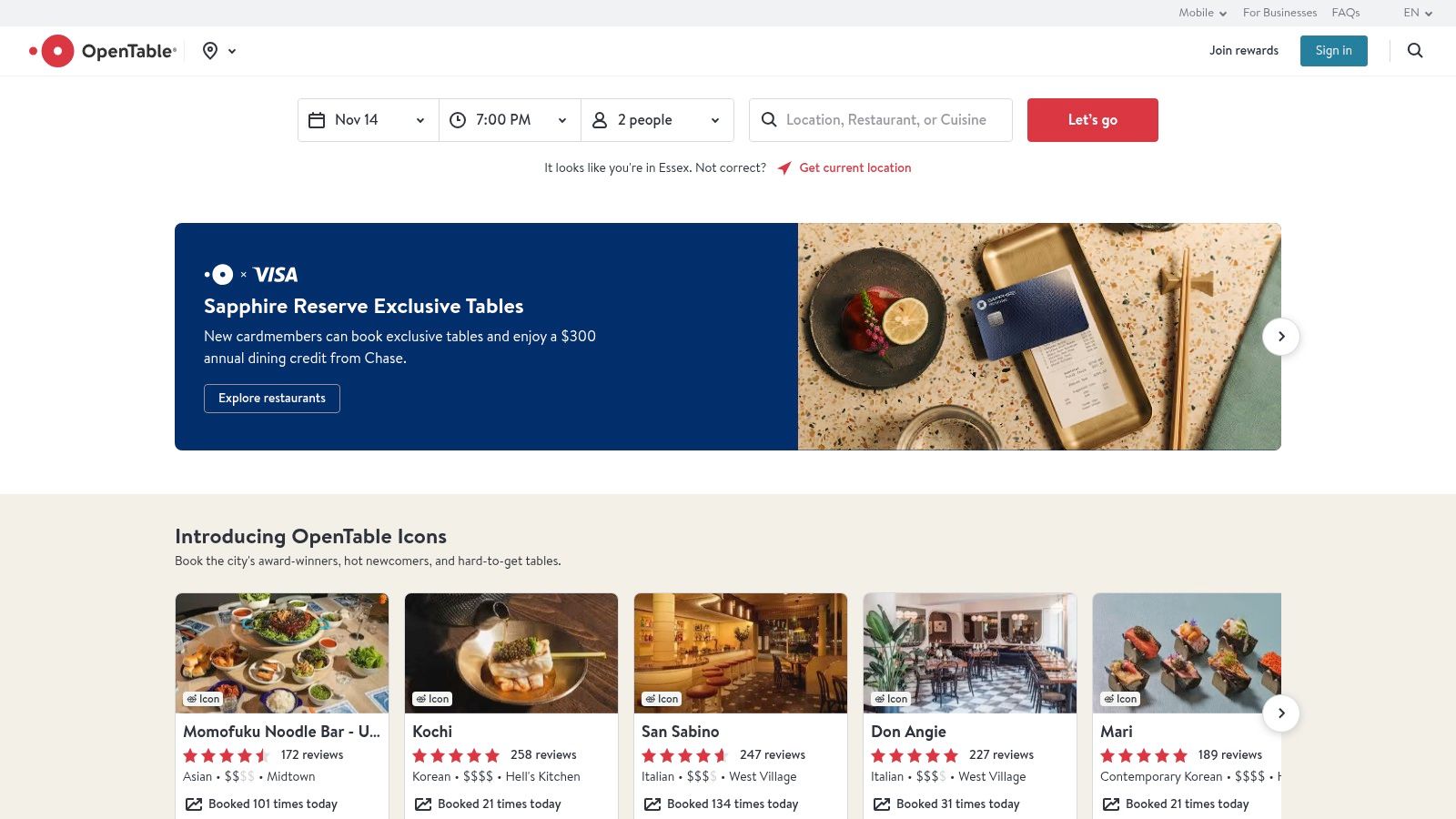
As one of the original leaders in digital reservations, OpenTable remains a cornerstone of front-of-house operations for many restaurants. Beyond basic bookings, it helps operators manage seating, waitlists, and guest preferences while connecting them to a large network of diners actively looking to book their next meal.
Its real value lies in helping restaurants fill seats more efficiently, especially during slower periods. With tools for table management, guest notes, and targeted marketing, OpenTable allows operators to turn reservations into long-term relationships by understanding guest behavior and encouraging repeat visits.
Key Considerations for Operators
While OpenTable offers significant visibility, its subscription and per-diner fees require careful consideration. Operators must weigh these costs against the potential revenue from increased bookings and operational efficiencies. Integrating guest data from OpenTable with other systems can provide a holistic view of customer behavior, which is a key component of a data-driven strategy to improve overall restaurant operations. Restaurants should also actively manage their online profile and encourage reviews to maximize their visibility on the platform.
- Ideal For: Full-service restaurants, fine dining establishments, and high-volume eateries looking to streamline front-of-house management and tap into a large, established diner network.
- Pros: Extensive diner reach and brand recognition, robust table and waitlist management tools, and valuable guest data and marketing capabilities.
- Cons: Subscription and per-cover fees can be significant for some establishments, and there has been some media attention regarding diner data privacy.
- Website: https://opentable.com
6. Resy
Resy positions itself as a premium reservation and guest management platform, best known for its strong presence among chef-driven and high-demand restaurants. Backed by American Express, it functions not only as a booking tool but also as a curated discovery platform for diners seeking standout culinary experiences.
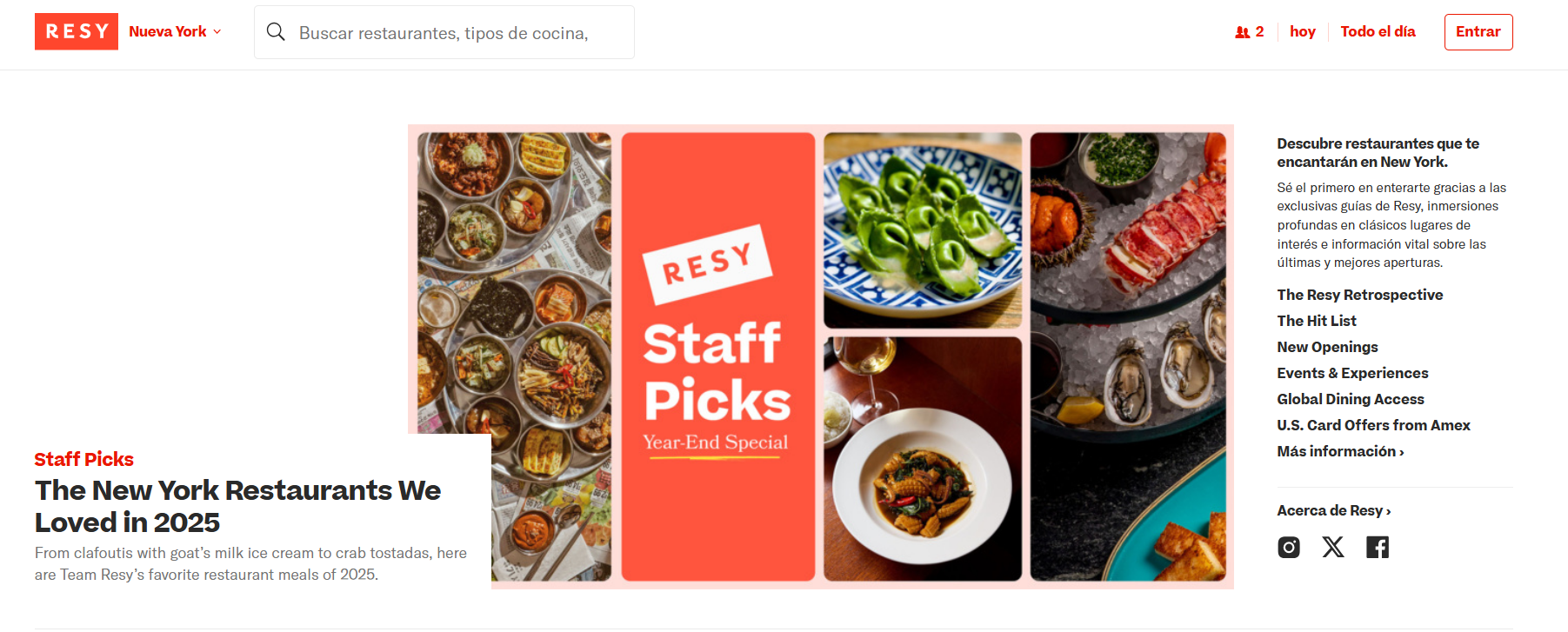
For operators, Resy is as much a brand signal as it is an operational tool. Features like Notify lists help capture last-minute demand, while editorial exposure and American Express integrations attract a high-spending, experience-driven audience. This makes Resy one of the top restaurant apps for restaurants focused on exclusivity, demand management, and premium positioning.
Key Considerations for Operators
While Resy offers a sophisticated image and a targeted audience, its market footprint is more concentrated in major metropolitan areas compared to broader platforms. Operators should evaluate if Resy’s user base aligns with their target customer. The platform’s management tools are robust, but success often depends on being part of the “in-demand” culinary scene that Resy’s users actively seek out. Some restaurants may also implement deposit or prepayment policies through the platform to reduce no-shows.
- Ideal For: Independent, chef-driven restaurants, fine dining establishments, and trendy eateries in urban markets looking to attract discerning diners and manage high demand.
- Pros: Strong brand association with quality dining, access to an engaged and affluent user base, and effective tools like “Notify” for maximizing occupancy.
- Cons: Smaller user base in suburban or less-dense markets, and its premium focus may not be a fit for all restaurant concepts.
- Website: https://resy.com
7. Yelp
More than a review site, Yelp functions as a powerful guest-facing discovery and decision platform. For restaurant operators, it’s a critical touchpoint that influences where diners choose to eat, often before they ever visit a website or social profile. With millions of users actively searching for places to dine, a well-managed Yelp presence can drive meaningful new traffic.
Yelp’s real strength is its role as modern digital word-of-mouth. Strong ratings and consistent reviews directly impact foot traffic and bookings.

Key Considerations for Operators
Leveraging Yelp effectively requires more than just claiming a business page. Operators must actively monitor and respond to reviews, both positive and negative, to manage their online reputation. The platform’s reservation and waitlist tools, while powerful, often come with associated fees and may require integration with a restaurant’s existing POS or table management system.
- Ideal For: Independent and multi-unit restaurants focused on local discovery, reputation management, and converting online search interest into on-premise guests.
- Pros: Massive U.S. audience for restaurant discovery, integrated system for reviews, reservations, and waitlists, and powerful tools for online reputation management.
- Cons: Feature availability varies by restaurant and market, negative reviews can significantly impact business, and premium tools are paid add-ons.
- Website: https://yelp.com
8. Google Maps (Reserve with Google)
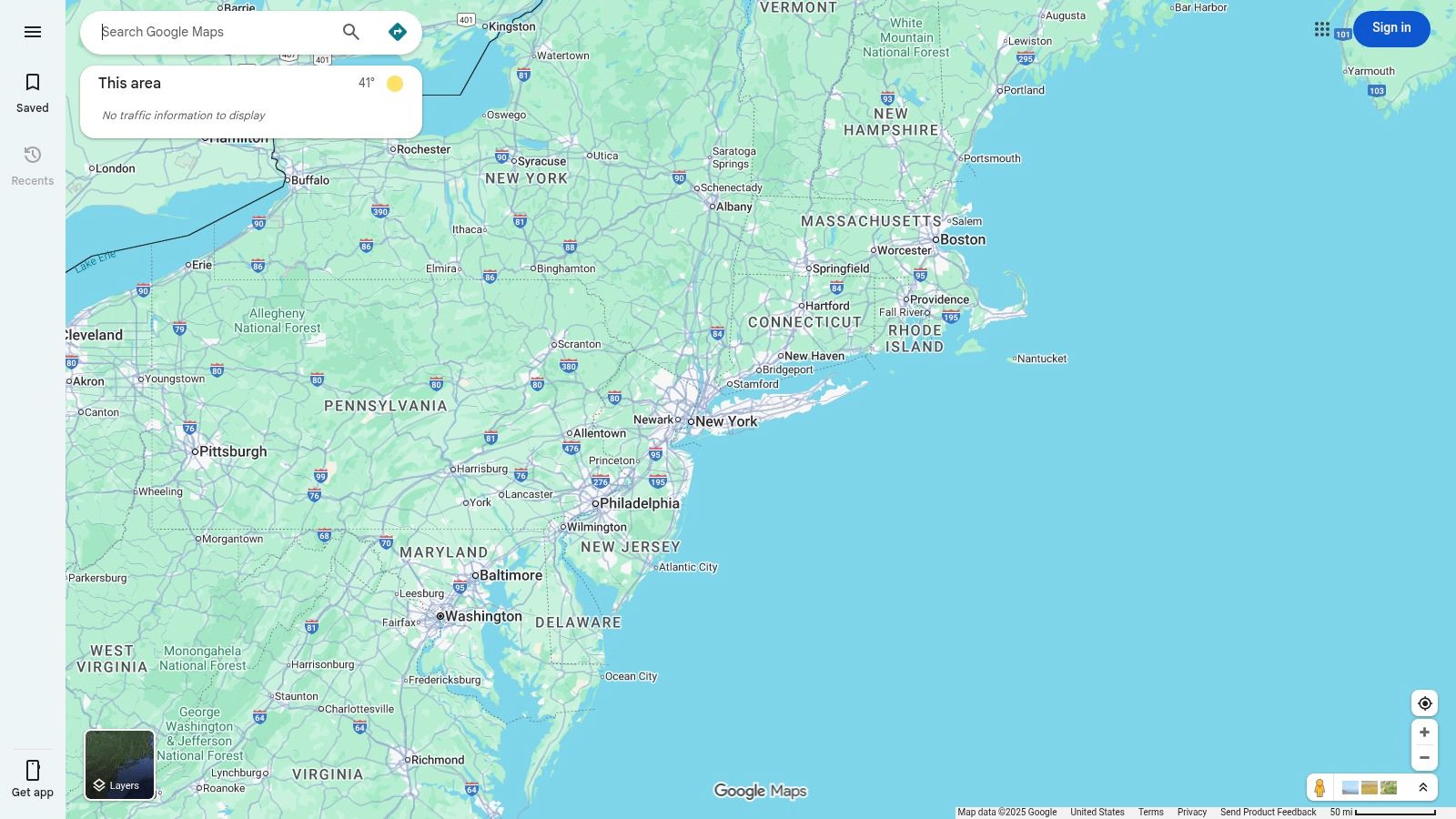
While not a standalone restaurant app, Google Maps and Search have become one of the most powerful discovery and booking entry points in hospitality. Through Reserve with Google, diners can find and book tables directly from Google by connecting with reservation partners like OpenTable, Resy, or Tock. For operators, this turns everyday searches into real bookings without adding friction.
The biggest advantage is scale. Guests searching for “restaurants near me” are already on Google, and a visible “Reserve a table” button captures demand at the exact moment of intent. When properly set up, this creates a seamless path from search to seat, making Google Maps a high-impact, low-effort channel for driving reservations.
Key Considerations for Operators
Leveraging this tool is less about active management and more about proper setup. The key is ensuring your primary reservation system (like OpenTable or Resy) is correctly integrated with your Google Business Profile. This integration allows the “Reserve” button to appear automatically. Operators should treat their Google profile as a digital storefront, keeping hours, menus, and photos updated to maximize the conversion of the traffic Google already sends their way. There are no direct fees from Google for this service, but standard fees from your integrated reservation partner still apply.
- Ideal For: Any restaurant using a supported reservation partner (OpenTable, Resy, Tock, etc.) that wants to maximize visibility and capture bookings directly from Google Search and Maps results.
- Pros: Massive, unparalleled customer reach; streamlines the booking process for users; no additional cost from Google to enable the feature.
- Cons: Functionality is entirely dependent on having a separate, compatible reservation system; operators have no direct control over the Google interface itself.
- Website: https://maps.google.com
9. Tock
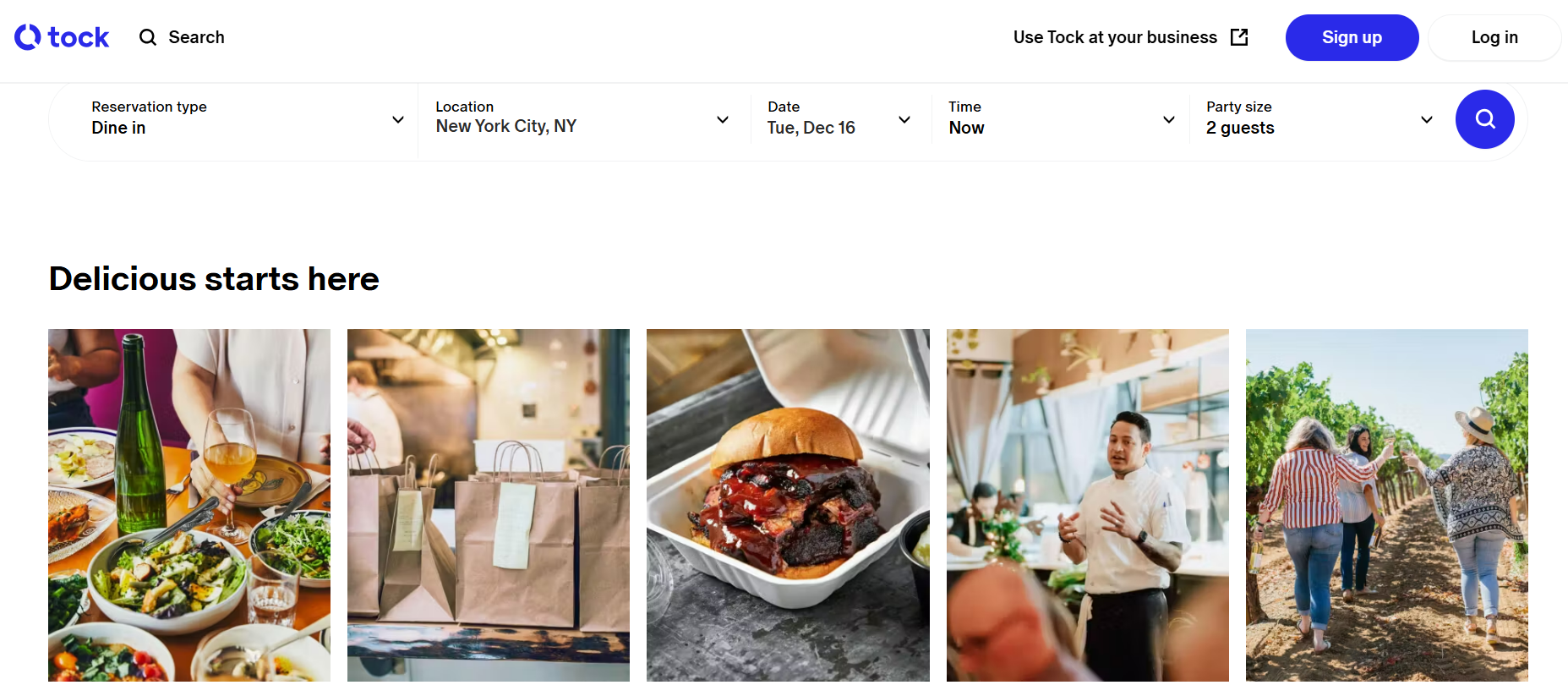
Tock has positioned itself as a go-to reservation platform for experience-driven dining. Designed for fine-dining restaurants and venues offering ticketed events, it goes beyond traditional bookings by enabling prepaid tastings, chef’s counter experiences, and special menus. This model helps operators lock in revenue upfront while dramatically reducing no-shows.
What sets Tock apart is its focus on selling experiences, not just tables. By treating reservations as limited-inventory purchases, the platform is ideal for managing high-demand events, holiday menus, and curated dining moments.
Key Considerations for Operators
Success with Tock relies on having a dining concept that aligns with its experience-driven model. The ability to require deposits or full prepayment is a game-changer for financial planning and minimizing lost revenue from last-minute cancellations. This system empowers operators to create detailed listings for events, manage waitlists for popular time slots, and communicate clear policies to guests, building a foundation of mutual commitment.
- Ideal For: Fine-dining restaurants, venues with chef’s counters or tasting menus, and any operator hosting ticketed or special culinary events.
- Pros: Dramatically reduces no-shows through deposits and prepayments, excellent for managing special and limited-inventory dining experiences, and attracts a serious, committed guest.
- Cons: The platform’s inventory skews toward premium and urban venues, which may make it a less natural fit for more casual, neighborhood spots.
- Website: https://www.exploretock.com
Building a Smarter Restaurant, One App at a Time
Rather than chasing every new feature, focus on tools that work together. Discovery platforms like Google Maps and Yelp help guests find you. Reservation and demand tools like OpenTable, Resy, and Tock convert interest into booked seats. Delivery platforms extend your reach beyond the dining room. And community-driven platforms like MAJC support long-term growth by connecting you with real people navigating the same challenges.
Your Strategic Next Steps
-
Audit Your Current Tools: Identify what’s actually driving visibility, demand, and engagement, and what’s just noise.
-
Choose With Intention: Prioritize apps that align with your concept, market, and growth stage instead of trying to do everything at once.
-
Think Ecosystem, Not Silos: The best results come when discovery, booking, delivery, and community platforms reinforce each other.
At the end of the day, technology should support hospitality, not replace it. The right restaurant apps free up your team’s energy, strengthen your presence in the market, and help you build relationships that last. That’s how modern restaurants grow, one smart, intentional tool at a time.
Ready to solve the foundational challenges of hiring, training, and retaining top talent? Discover how MAJC✨ can become the central nervous system for your team operations, providing the tools you need to build a stronger, more engaged workforce. Visit MAJC to learn how our platform can transform your people management from your biggest headache into your greatest competitive advantage.