


How to Increase Guest Satisfaction comes down to three core elements: proactive service, empowered staff, and smart feedback systems. Today’s guests expect more than a clean room or a polite welcome. They want experiences that feel seamless, personal, and consistent from start to finish.
What Really Drives Guest Satisfaction Today
The relationship between guests and hospitality brands has changed. Every interaction now lives beyond the moment itself, amplified through online reviews, ratings, and social platforms. Meeting basic expectations is no longer enough.
True satisfaction is built when you anticipate needs, resolve friction quickly, and deliver consistency across the entire guest journey. That is what turns a good stay into a memorable one and a first-time guest into a loyal advocate.
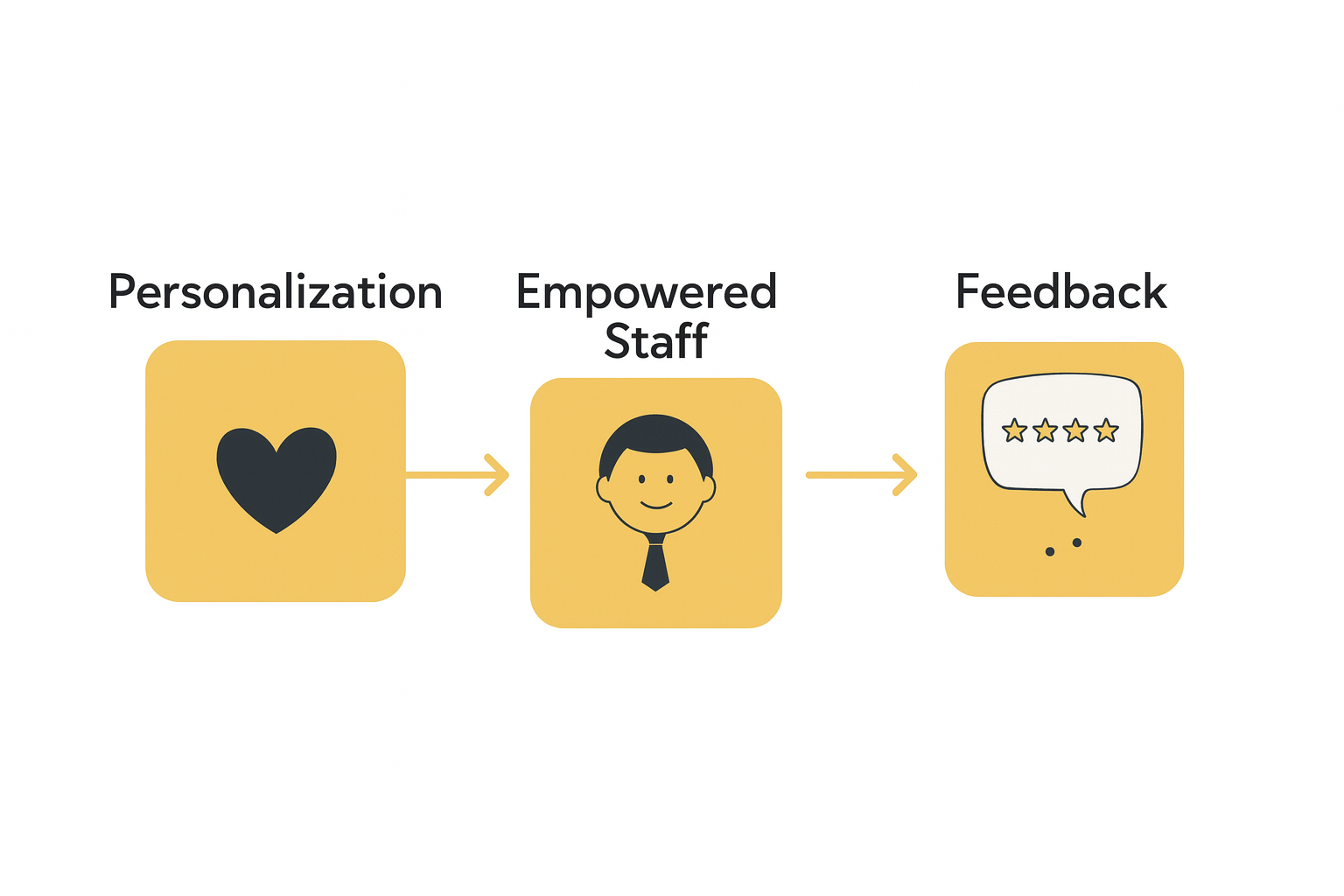
Three Pillars of Modern Guest Satisfaction
To build a real strategy around guest satisfaction, you need to focus on the areas that deliver the biggest impact. It is about creating a system where excellence becomes the standard, not the exception.
This approach does not just make guests happy; it directly hits your bottom line by building serious loyalty.
Here is a quick look at the core strategies that drive exceptional guest experiences today.
Three Pillars of Modern Guest Satisfaction
| Pillar | Core Principle | Key Action |
|---|---|---|
| Proactive Service | Anticipate needs before they become requests. | Use guest data to personalize stays, from pre-arrival communication to surprise-and-delight moments during their visit. |
| Empowered Staff | Trust your team to make things right. | Give frontline staff the training and autonomy to solve guest issues on the spot without needing a manager’s approval. |
| Intelligent Feedback | Turn feedback into immediate action. | Actively monitor online reviews and gather in-the-moment feedback to drive continuous operational improvements. |
By mastering these three areas, you are not just chasing good reviews. You are building a powerful engine for guest satisfaction that fuels repeat visits and helps you build an unbeatable reputation.
Diagnosing Your Current Guest Experience
Before you can boost guest satisfaction, you have to get an honest look at what your guests are actually experiencing right now. This is not about assumptions; it is about seeing your operation from their side of the front desk, unfiltered and unvarnished.
The goal here is to map out the entire guest journey, covering every touchpoint. That journey does not start when they walk through your doors. It starts the moment they find you online, moves through booking, their arrival, the stay itself, and continues long after they have checked out. Only by looking at the full picture can you find those hidden friction points that are quietly killing your satisfaction scores.
Uncovering Themes in Guest Feedback
Your online reviews are a goldmine, but you have to know how to read them. A single complaint about slow Wi-Fi could be a one-off. But if “Wi-Fi” shows up in 15% of your negative reviews over the last month? You have a systemic problem on your hands.
Start by systematically categorizing the feedback you get from every channel. Look for the recurring words and phrases that point to specific parts of your operation.
- Arrival and Departure: Are people constantly mentioning a “long wait” at check-in or a “confusing” checkout?
- Room and Amenities: Do words like “outdated,” “noisy,” or “cleanliness” pop up a lot? On the flip side, what about positive mentions of the “comfortable bed” or “great view”?
- Staff Interactions: How often do you see descriptions like “friendly” and “helpful,” versus words like “unresponsive”?
- Food and Beverage: Track comments about your restaurant or room service. Are there themes around “quality,” “price,” or “service speed”?
This is not about reacting to one bad review. It is about moving from defense to offense and proactively solving the root causes of frustration.
Understanding Different Guest Needs
A one-size-fits-all approach to service is a recipe for mediocrity. Not all guests are the same, and if you treat them that way, you are missing a huge opportunity.
Think about who is staying with you. Are they business travelers who just want efficiency, fast internet, and a quiet place to work? Or are they families looking for a great pool and kid-friendly menus? A business traveler’s five-star experience is a seamless mobile check-in. A family’s five-star experience might be your restaurant staff’s incredible patience with their toddler.
When you understand these different personas, you can start tailoring your service, your communication, and even your amenities to hit the mark for each of them.
Getting an Unvarnished View of Your Service
Let’s be honest: your team can become blind to the little things. That is why an outside perspective is so powerful. This is where a “mystery guest” program becomes invaluable.
These unannounced audits deliver a real-time, unbiased report card on your entire operation, from the cleanliness of the lobby bathrooms to the empathy of your night auditor. A mystery guest experiences your property just like any other customer, so they spot the issues your team has learned to ignore.
The detailed report you get back is a pure diagnostic tool. It is a clear “pain point” summary that shows you exactly where service is falling short. With that intel, you can stop guessing and start building a targeted strategy that fixes real problems.
Empowering Your Team to Create Raving Fans
Your frontline team is not just filling a role; they are the guest experience. Every interaction, from the front desk check-in to a passing hello in the hallway, shapes how a guest feels about your brand. True guest satisfaction is not built on rigid scripts. It is built on genuine human connection.
To really move the needle, you have to empower your staff to become brand ambassadors. This goes beyond rote training. It is about cultivating the soft skills that matter: empathy, active listening, and knowing how to turn a bad situation around. It is about creating an environment where your team feels confident enough to anticipate needs and solve problems on their own, turning potential issues into memorable moments of exceptional care.
Moving Beyond the Script
Standard operating procedures are great for consistency, but lean on them too hard and your service will feel cold and robotic. The best training programs teach the principles behind the rules, giving employees a framework to make smart decisions instead of just ticking boxes on a checklist.
This means doubling down on skills that build real connection:
- Active Listening: Train your team to hear what a guest is saying, both with their words and their body language. This is how they get to the root of an issue and respond with genuine care.
- Empathy: Encourage staff to put themselves in the guest’s shoes. It is a simple shift, but it helps them connect on a human level, making guests feel seen and valued.
- Service Recovery: Arm every team member with the skills and authority to handle complaints gracefully. A well-handled problem can create a more loyal guest than if nothing had gone wrong in the first place.
For a deeper dive into building these skills, check out our guide on how to train restaurant staff quickly and effectively, which offers principles that apply across the entire hospitality industry.
The Power of Autonomy
One of the fastest ways to improve guest satisfaction is to give your staff the autonomy to solve problems on the spot. Nothing kills momentum like hearing, “Let me get my manager.” It creates delays and signals to the guest that they are dealing with someone who cannot actually help them.
Empowering your employees to make decisions is a game-changer. Whether it is offering a complimentary dessert for a kitchen delay or moving a guest to a quieter room without a five-step approval process, this shows your team you trust their judgment. More importantly, it shows guests that their happiness is the top priority.
This approach builds a confident, proactive team that is not just reacting to problems but actively looking for ways to make a guest’s stay better.
Learning From Industry Leaders
High-performing hospitality groups have one thing in common: they treat service as a system, not a personality trait. The most successful operators invest heavily in staff training, set clear service standards, and then empower their teams to act without layers of approval.
Industry research consistently shows that service quality is one of the strongest drivers of guest satisfaction and perceived value. Guests remember how quickly issues were resolved, how confident staff felt in helping them, and whether interactions felt genuine rather than scripted.
This is why well-managed properties often outperform competitors, even at higher price points. When service is fast, consistent, and human, guests are far more likely to feel they received strong value for the price paid. The lesson is clear: structured management and empowered staff create better experiences, stronger reviews, and long-term loyalty.
Architecting Your Service with SOPs
Think of your Standard Operating Procedures (SOPs) as the blueprints for your guest experience. They define the “how-to” for critical interactions, ensuring every guest gets the same high level of care, whether they are checking in on a quiet Tuesday morning or during a chaotic Saturday rush.
But the goal here is not to create robots. Effective SOPs provide structure while still leaving room for personality and genuine connection. They cover essential touchpoints like check-in, room service, and housekeeping requests, guaranteeing a baseline of excellence your team can build on. When that foundation is solid, you free up your staff to focus on the human side of hospitality. You can find plenty of great restaurant standard operating procedures examples that are easily adapted for any hospitality setting.
Embracing Proactive Service Design
One of the most powerful ways to elevate the guest experience is to implement proactive customer service strategies that anticipate needs before they surface. This starts long before a guest steps foot on your property.
A personalized pre-arrival email, for example, is a golden opportunity to gather preferences. Ask simple questions: “Do you prefer a high or low floor?” or “Are you celebrating a special occasion with us?” This information allows you to tailor the experience from the start. Small, thoughtful gestures, like having a crib already set up for a family or placing a bottle of champagne in the room for an anniversary, show you are not just providing a room but are actively invested in their stay. These are the “surprise and delight” moments guests remember and talk about.
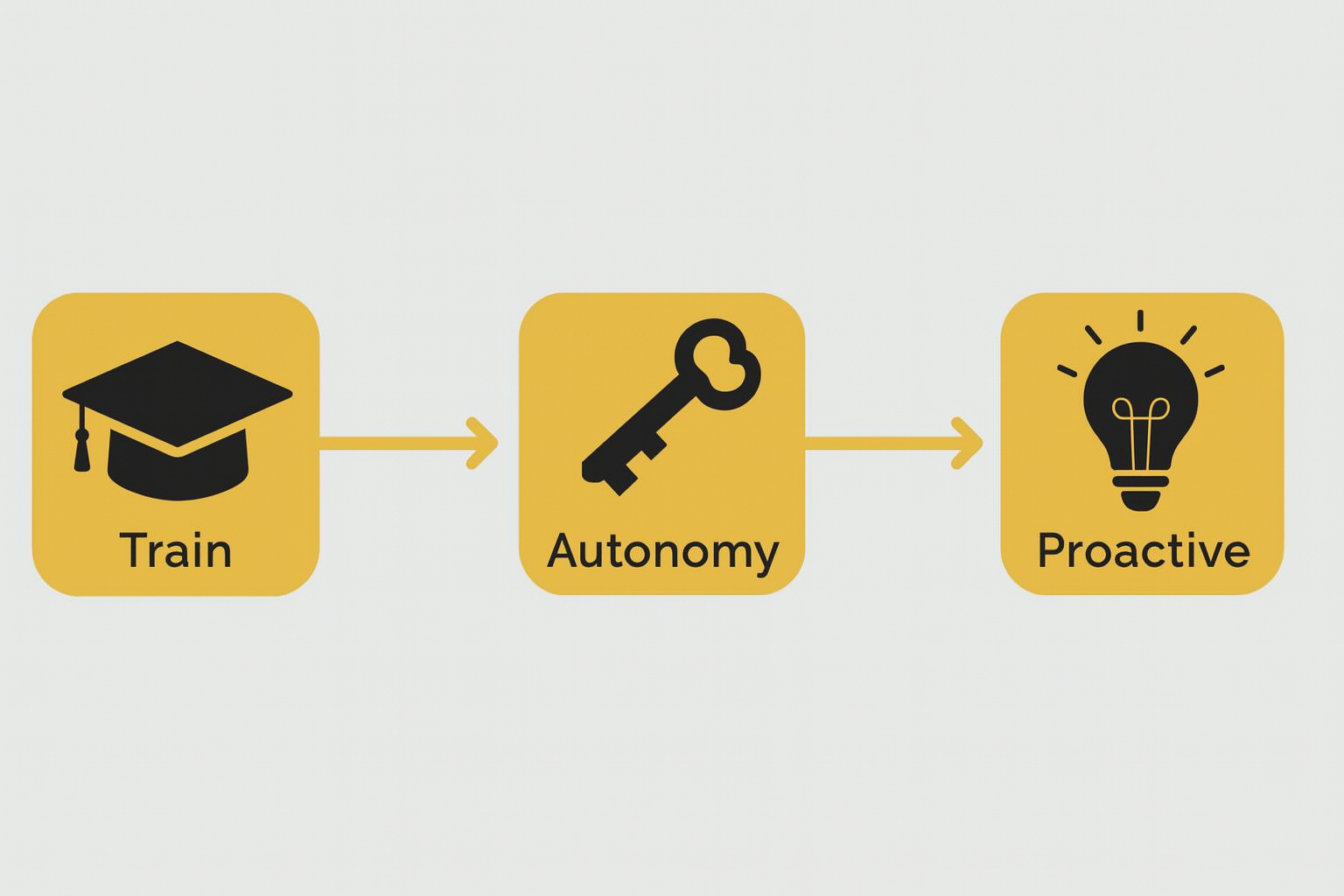
Once your team is well-trained and given the autonomy to act, they naturally become more proactive in creating positive guest outcomes.
Mastering Service Recovery
Mastering service recovery is nonnegotiable, because a well-handled complaint can turn a dissatisfied guest into your most loyal advocate.
A proven workflow for handling complaints is essential. It ensures every guest feels heard, respected, and valued, even when they are frustrated.
Here is a simple but incredibly effective framework for turning negative situations into positive, loyalty-building moments.
Effective Service Recovery Workflow
| Step | Action | Goal |
|---|---|---|
| Listen | Let the guest share their full story without interruption. Use active listening cues to show you are engaged. | Make the guest feel heard and understood, de-escalating the initial frustration. |
| Empathize | Acknowledge their feelings with statements like, “I can see why you are upset.” This validates their experience. | Build a human connection and show that you are on their side, not against them. |
| Apologize | Offer a sincere apology for the failure, regardless of who was at fault. Take ownership of the problem. | Rebuild trust by showing accountability and demonstrating respect for the guest. |
| Resolve | Offer a clear and immediate solution. Empower your staff to make it right on the spot. | Fix the immediate problem and restore the guest’s confidence in your ability to deliver. |
| Follow Up | Check in with the guest later to ensure the solution was satisfactory and to reinforce your commitment. | Turn a negative moment into a lasting positive memory, showing you care beyond the initial fix. |
By designing your service with intention, from proactive communication to flawless recovery, you create an operation that not only meets expectations but consistently exceeds them, paving the way for lasting guest satisfaction and loyalty.
Building Feedback Loops That Drive Improvement
If you want to know how to increase guest satisfaction, you have to do one thing exceptionally well: listen. I am not talking about passively waiting for a review to pop up. I am talking about building a robust, active feedback system that captures the truth, good and bad, when and where it matters most.
This is not about collecting comments for a report. It is about turning raw guest sentiment into a clear roadmap for improvement. The goal is a complete picture of the guest experience, which means you cannot rely on a single source. Post-stay surveys alone will only give you a fraction of the story.
A Multi-Channel Approach to Feedback
To really get what is happening on your property, you need to be listening everywhere, all the time. Think of each feedback channel as a different lens. On their own, they offer a glimpse. Together, they give you the full picture.
- Post-Stay Surveys: These are your structured deep-dives. This is where you can ask targeted questions about everything from check-in to cleanliness, giving you hard data you can track over time.
- Online Review Monitoring: This is your public report card, in real-time. Keeping a close watch on Google, Tripadvisor, and the OTAs shows you what guests are broadcasting to the world. It is your early warning system for recurring problems.
- In-the-Moment Feedback: This is your secret weapon for immediate service recovery. Giving guests an easy way to reach out during their stay, perhaps through a simple text platform, lets your team fix issues on the spot. A quick fix often prevents a negative review from ever being written.
Weaving these channels together is how you move from just collecting feedback to building a true diagnostic tool for your operation’s strengths and weaknesses.
Turning Data into Actionable Insights
Collecting feedback is step one. The real magic happens when you make that data do the work. This means tracking a few key performance indicators (KPIs) that are a direct reflection of guest happiness and your team’s effectiveness.
Do not overcomplicate it. Start with a few critical metrics:
- Net Promoter Score (NPS): A classic for a reason. Asking guests how likely they are to recommend you is a powerful, high-level indicator of overall loyalty and satisfaction.
- Problem Resolution Time: How long does it take for your team to fix a guest’s issue from the moment they report it? Getting this number down is one of the fastest ways to turn a potential complaint into a moment of delight.
- Sentiment Analysis: Go beyond star ratings and look at the actual words guests are using. Are you seeing “frustrated” and “disappointed” pop up a lot? Or are “delighted” and “impressed” the recurring themes? This tells you the emotional texture of their stay.
Fostering a Culture of Ownership
The final and most important piece of the puzzle is creating a culture where every person on your team feels responsible for the guest experience. This is where the daily team huddle becomes nonnegotiable.
Get in the habit of holding quick, daily or weekly meetings dedicated to reviewing recent guest feedback. This is not about pointing fingers. It is a collaborative session to celebrate what is working and brainstorm solutions for what is not.
This simple practice takes feedback from a manager’s report and turns it into a shared team mission. It builds a powerful sense of ownership and gets everyone pulling in the same direction.
Frequently Asked Questions
Here are the straight answers to some of the most common questions from hospitality leaders about improving guest satisfaction.
What is the fastest way to improve guest satisfaction?
The single quickest win is almost always empowering your frontline team. Give your staff the autonomy to solve guest problems right then and there, without needing a manager’s approval. This one change dramatically cuts down resolution time and shows guests you trust your people and value their time.
Another fast-acting strategy is opening up in-the-moment feedback channels. A simple text messaging service lets guests flag small issues during their stay, giving your team a chance to fix them immediately. This approach keeps minor annoyances from snowballing into negative post-stay reviews.
How can technology help increase guest satisfaction?
Technology is a powerful ally for delivering consistency and personalization at scale. Multiple industry studies show that a strong majority of travelers now expect personalized experiences, especially when brands remember preferences and anticipate needs.
AI-powered tools can also handle routine inquiries around the clock, which is a huge help. This ensures guests get instant answers to common questions, freeing up your team to focus on the high-touch, human interactions that define a memorable stay.
How should we handle negative online reviews?
Responding to negative reviews is essential, but how you respond makes all the difference. The key is to be prompt, professional, and personal. Address the specific issues the guest mentioned, offer a sincere apology, and briefly explain the steps you are taking to make sure it does not happen again.
Remember, your response is not just for that one unhappy guest; it is for every potential guest who reads that review. A thoughtful, accountable reply shows you take feedback seriously and are committed to getting better. That alone is often enough to win over a prospective customer who sees that you genuinely care.
Ready to build a team that consistently delights guests? MAJC✨ provides the training, tools, and community support to help your leaders hire better, retain longer, and run smarter. Discover how MAJC can elevate your operations.